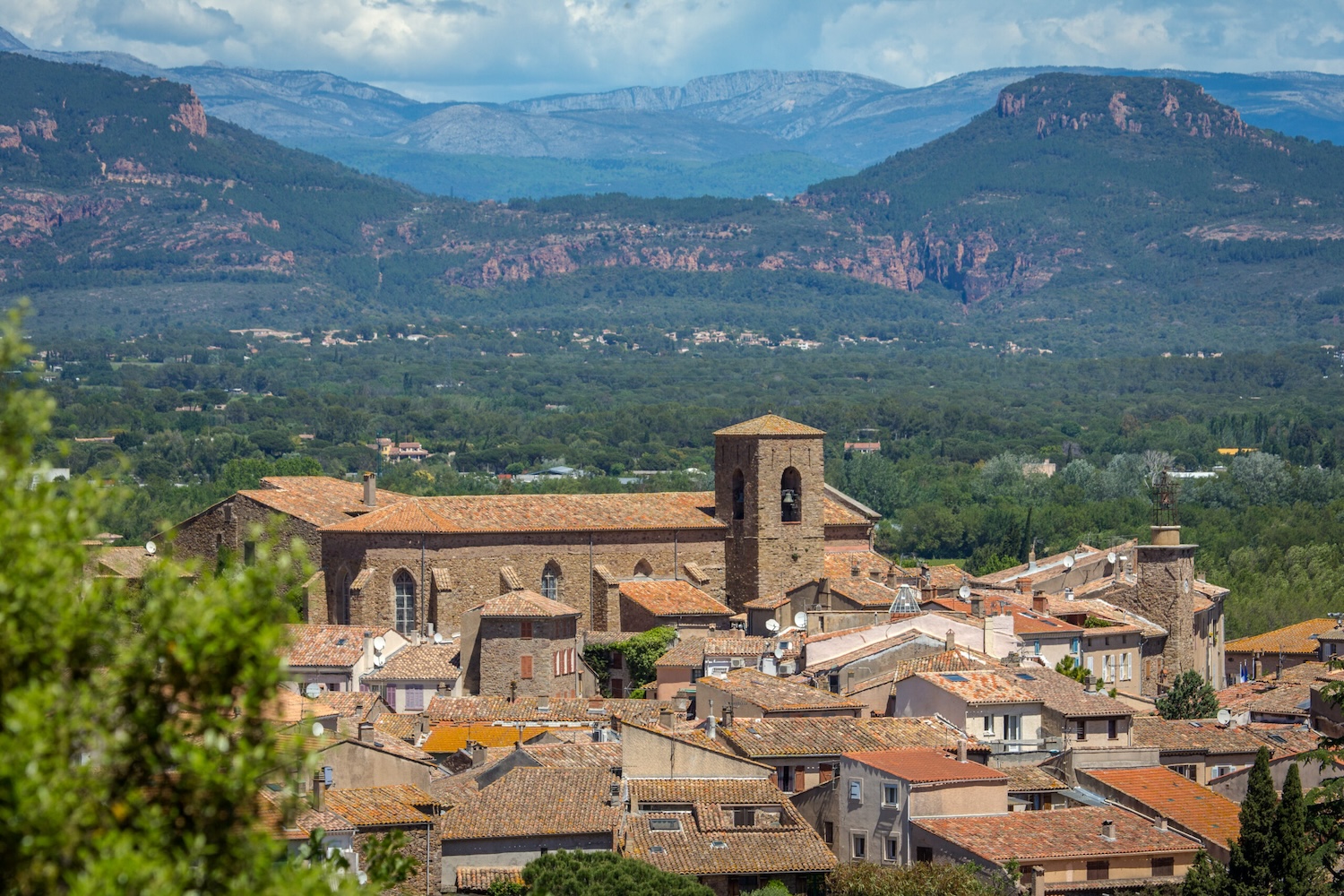
Le village de Roquebrune-sur-Argens
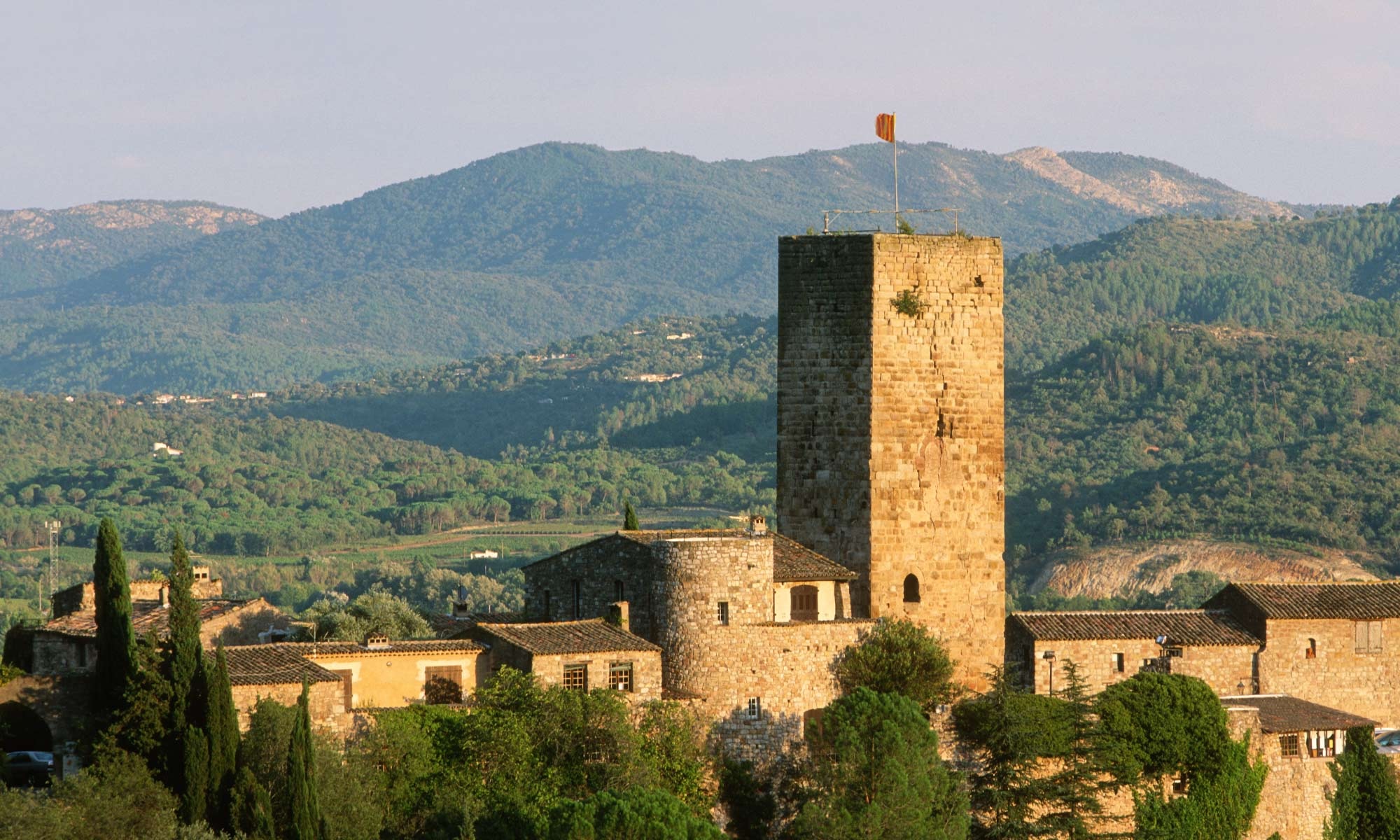
At the foot of the rock, a medieval village of vaulted lanes and old doorways, with its heritage house and craft workshops. Half an hour is enough, and most people carry on up the rock afterwards.
Thirty-six places to visit, all within a two-hour drive, from the coves of the Estérel to the Verdon gorges, from the hilltop villages of the Var to the Riviera. Driving times are given from the estate, outside the summer traffic.
Under twenty minutes, for a morning out or the end of the day.

At the foot of the rock, a medieval village of vaulted lanes and old doorways, with its heritage house and craft workshops. Half an hour is enough, and most people carry on up the rock afterwards.

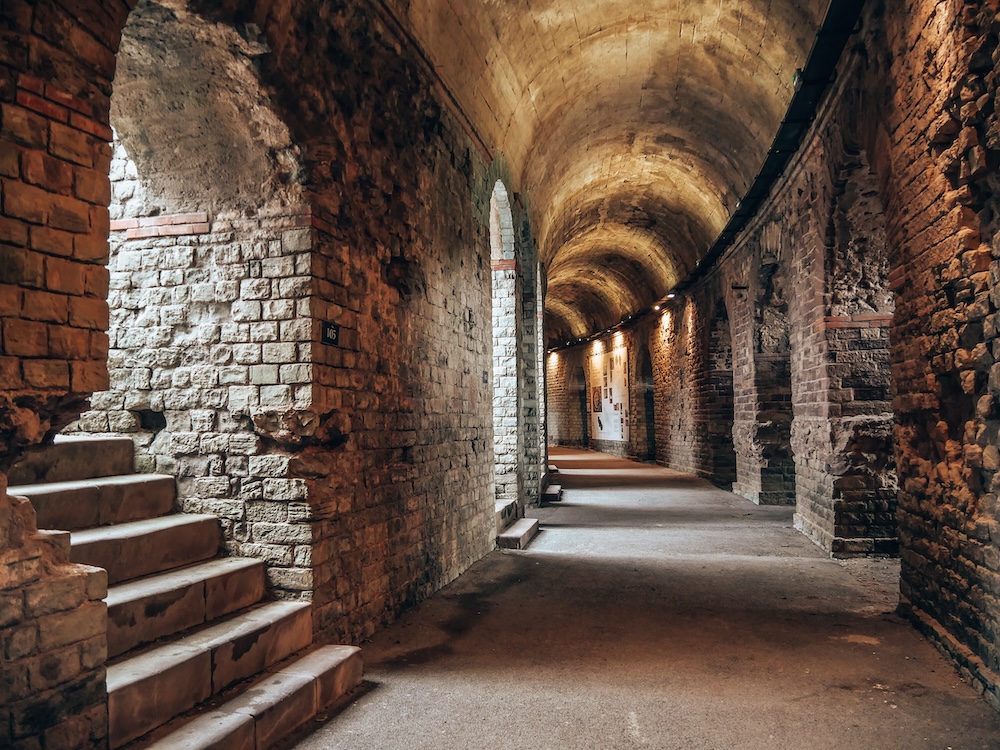
Forum Julii, Roman Fréjus, left behind a first-century arena, one of the oldest in Gaul, now restored and still used for summer concerts. A few steps away, the bishop's quarter and its cloister with painted ceilings are worth the stop.

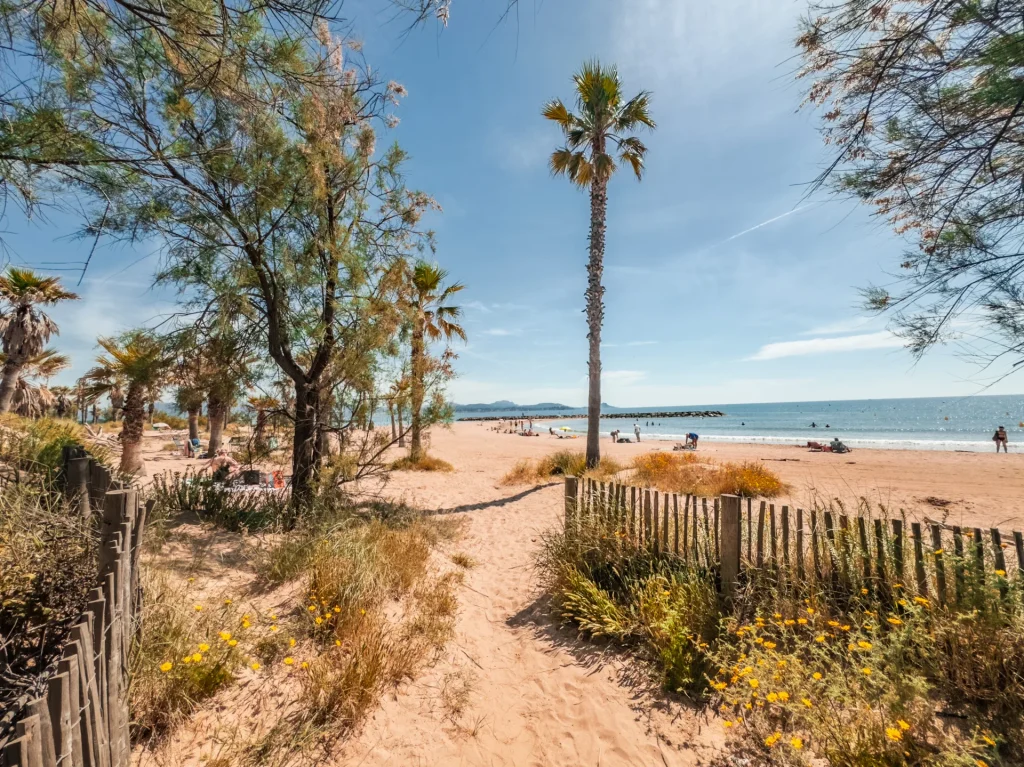
The closest beach to the estate: fine sand and pine trees, with quieter little coves at the southern end towards Les Issambres. Much quicker to reach than Fréjus-Plage, and lifeguarded in summer.

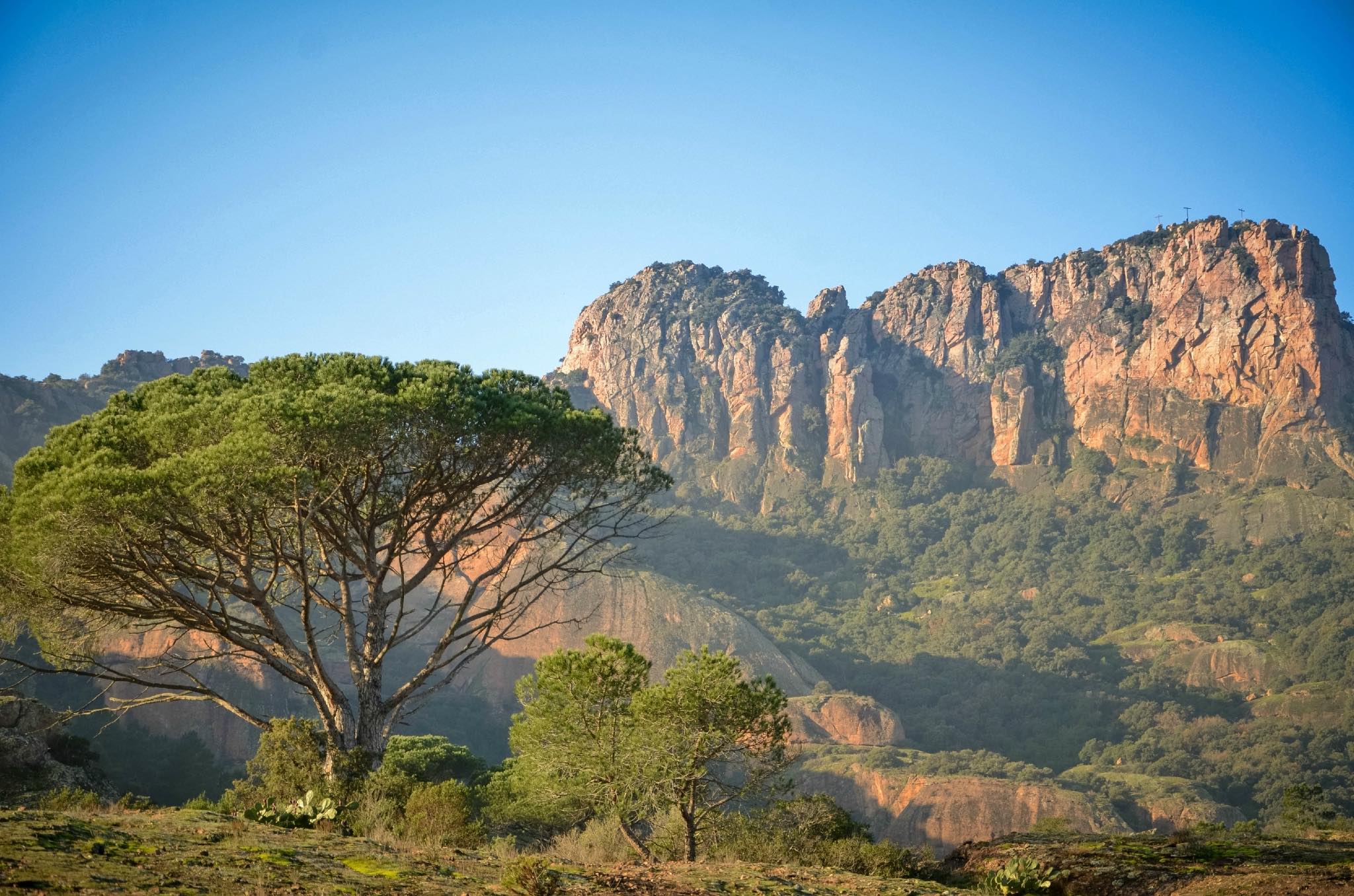
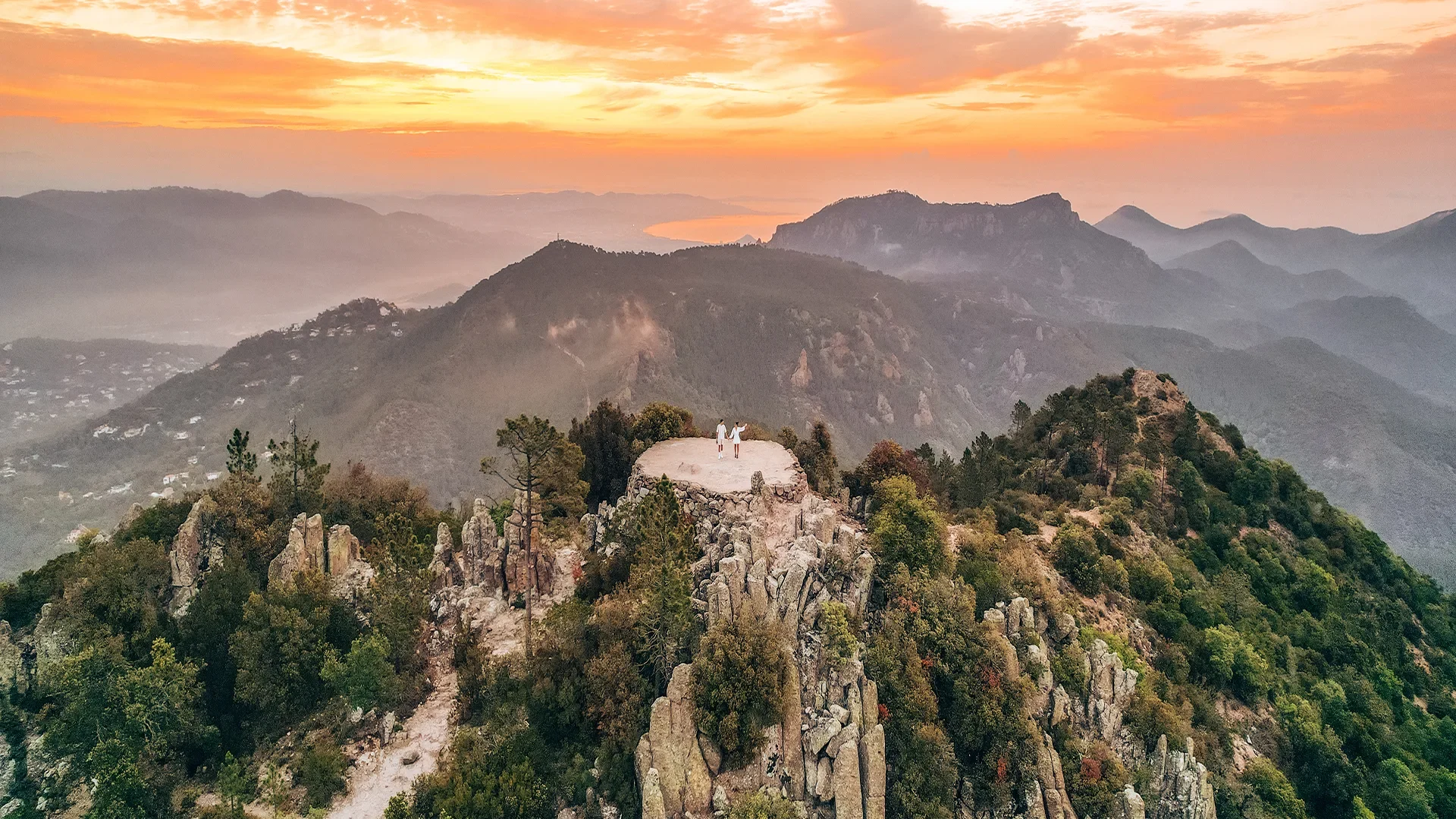
The 373-metre block of red sandstone that closes the estate's horizon. The Trois Croix path reaches the summit in two hours there and back, with views over the Estérel and the sea. Best walked early, in the cool.

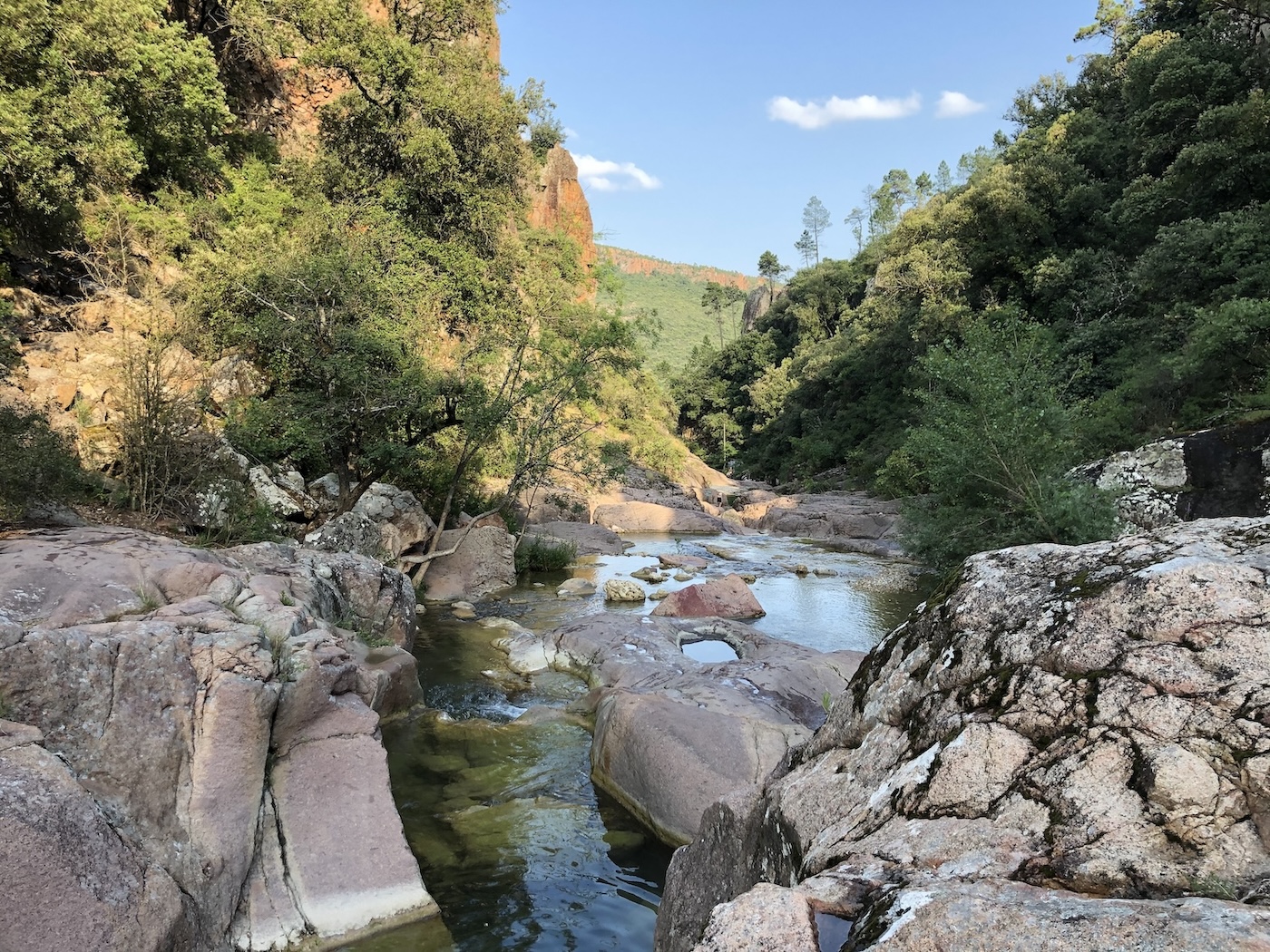
A red-rock gorge carved out by the Endre, with a waterfall and natural pools you can swim in. An hour is enough to see it, and it's worth arriving early in July and August.
Enough to fill a morning and still be back at the estate for lunch.

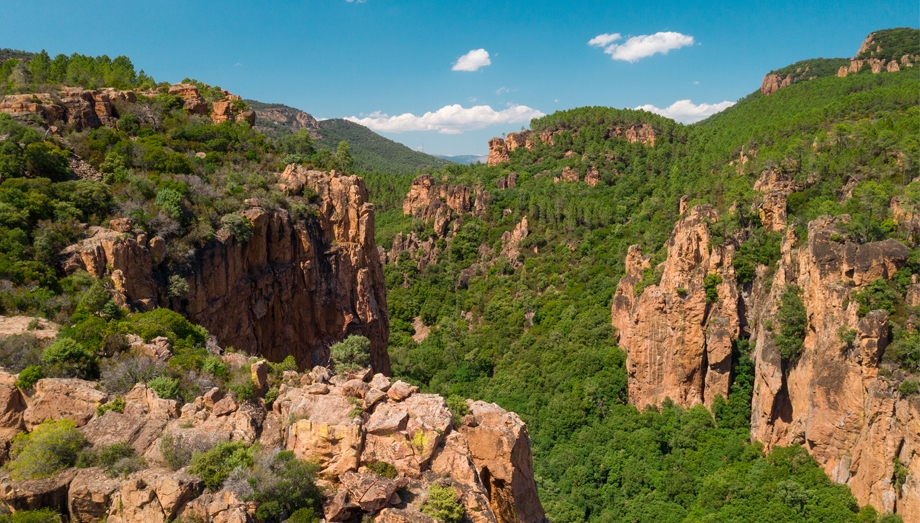
A red-rock canyon popular with climbers, with a waymarked path along the bottom of the gorge and a few ladder sections. Shaded for much of the day, it's the answer to afternoons too hot for the beach.

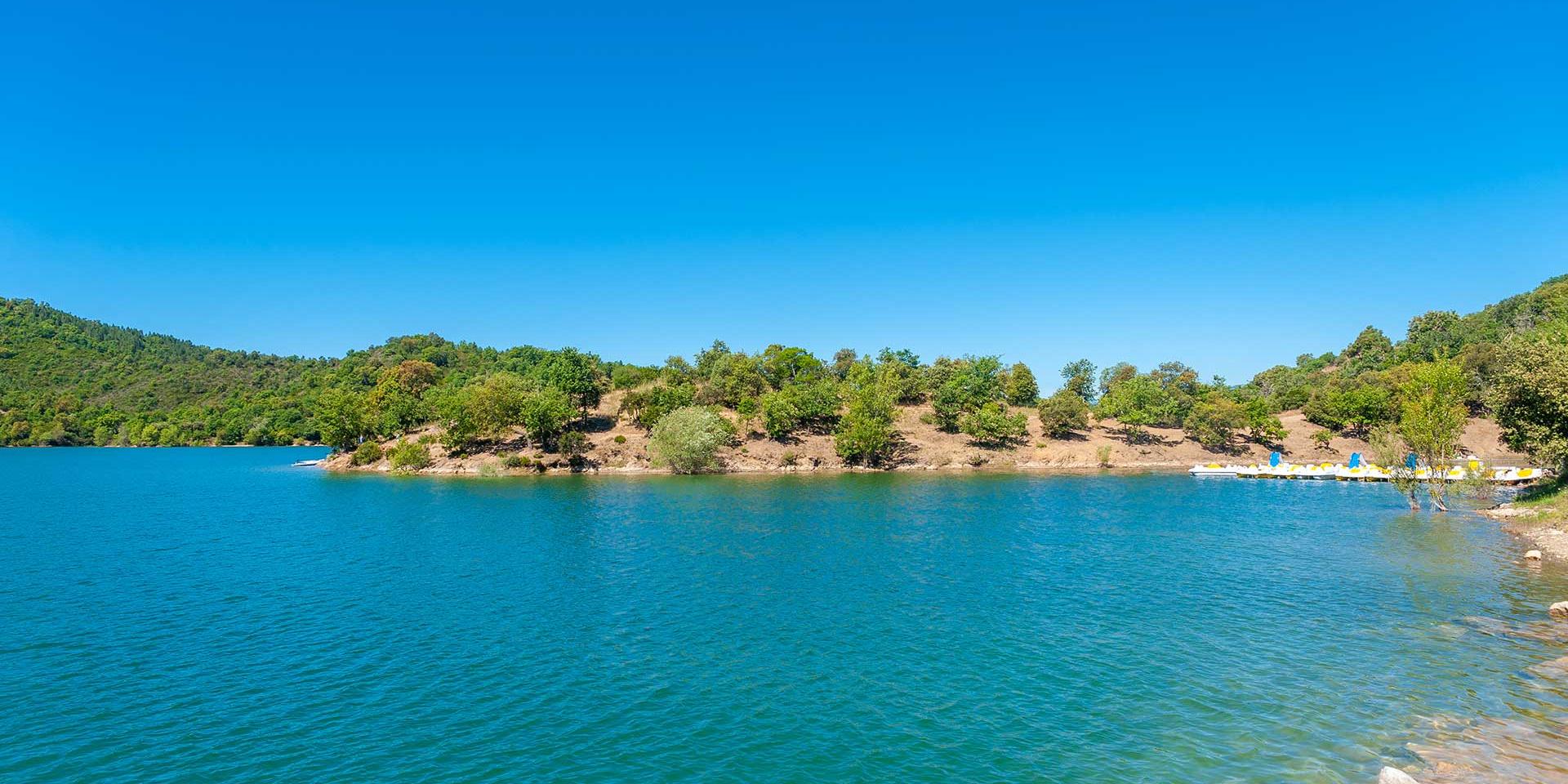
A 430-hectare lake for swimming, with pedal boats and electric boats for hire; petrol engines are banned. The main beaches are lifeguarded in summer, and the little lakeside cafés serve lunch.

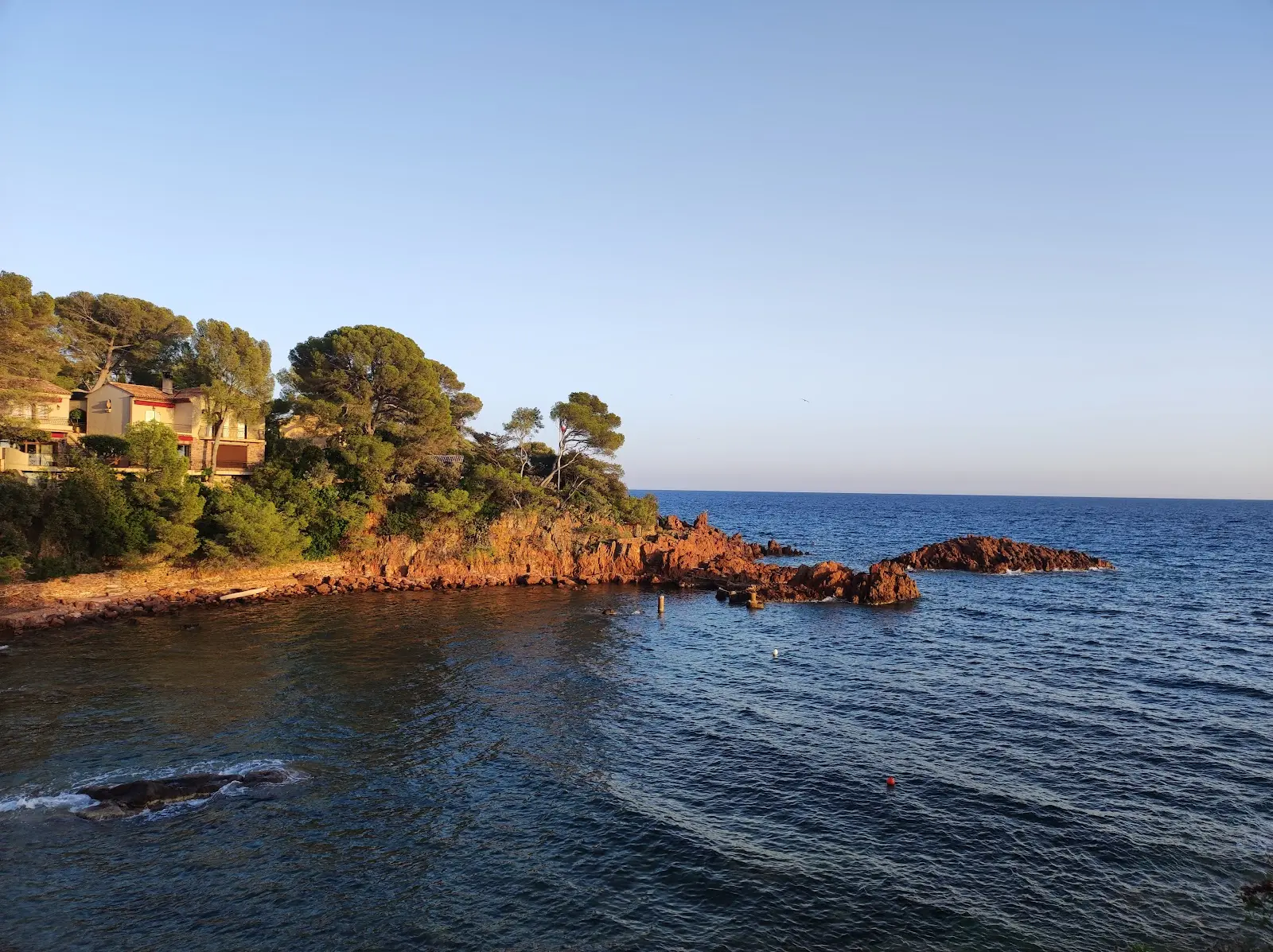
A small red-rock cove on the Estérel coast road, far quieter than the big Fréjus beaches. Clear water, entry over the rocks and very little sand: bring water shoes.

The medieval Parage quarter climbs in narrow lanes up to the keep, and the chapel of Sainte-Roseline, a few kilometres away, holds a mosaic by Marc Chagall. This is also the gateway to the Côtes de Provence, with vineyards open for tastings.

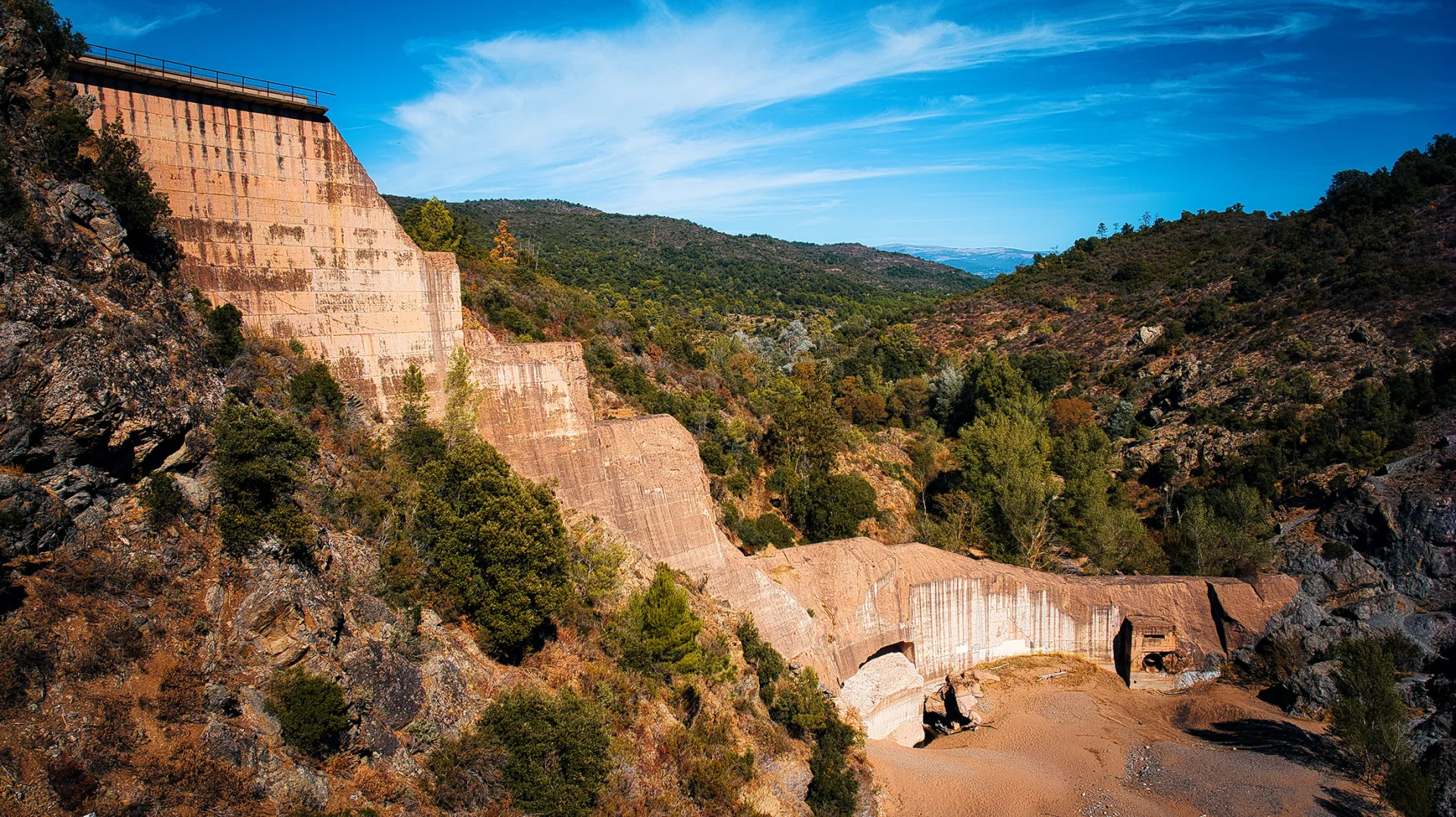
The ruins of the dam that burst on 2 December 1959, sending a wave that claimed 423 lives in Fréjus. The site is freely accessible at the end of a track, and the silence around the scattered blocks of concrete stays with you.

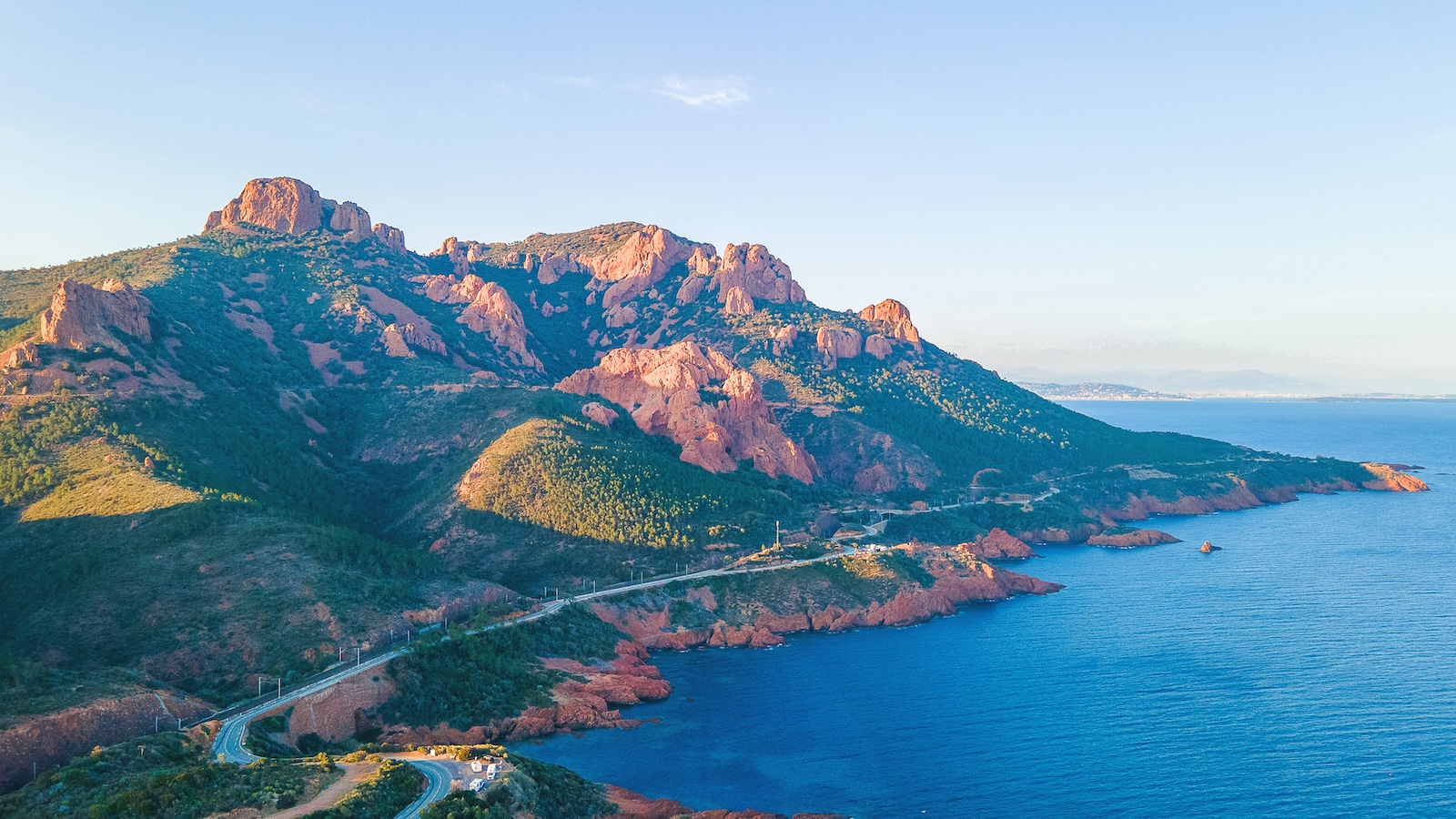
The road cut into red porphyry between Saint-Raphaël and Théoule, opened in the early twentieth century by the Touring Club de France. The drive is the attraction: stop at the coves of Anthéor and Le Trayas, and at the Pointe de l'Observatoire.

The highest point of the Estérel, at 614 metres, topped by a fire-watch tower. The final climb takes twenty minutes on foot, for a view stretching from the bay of Cannes to the Verdon.
Between half an hour and an hour's drive.

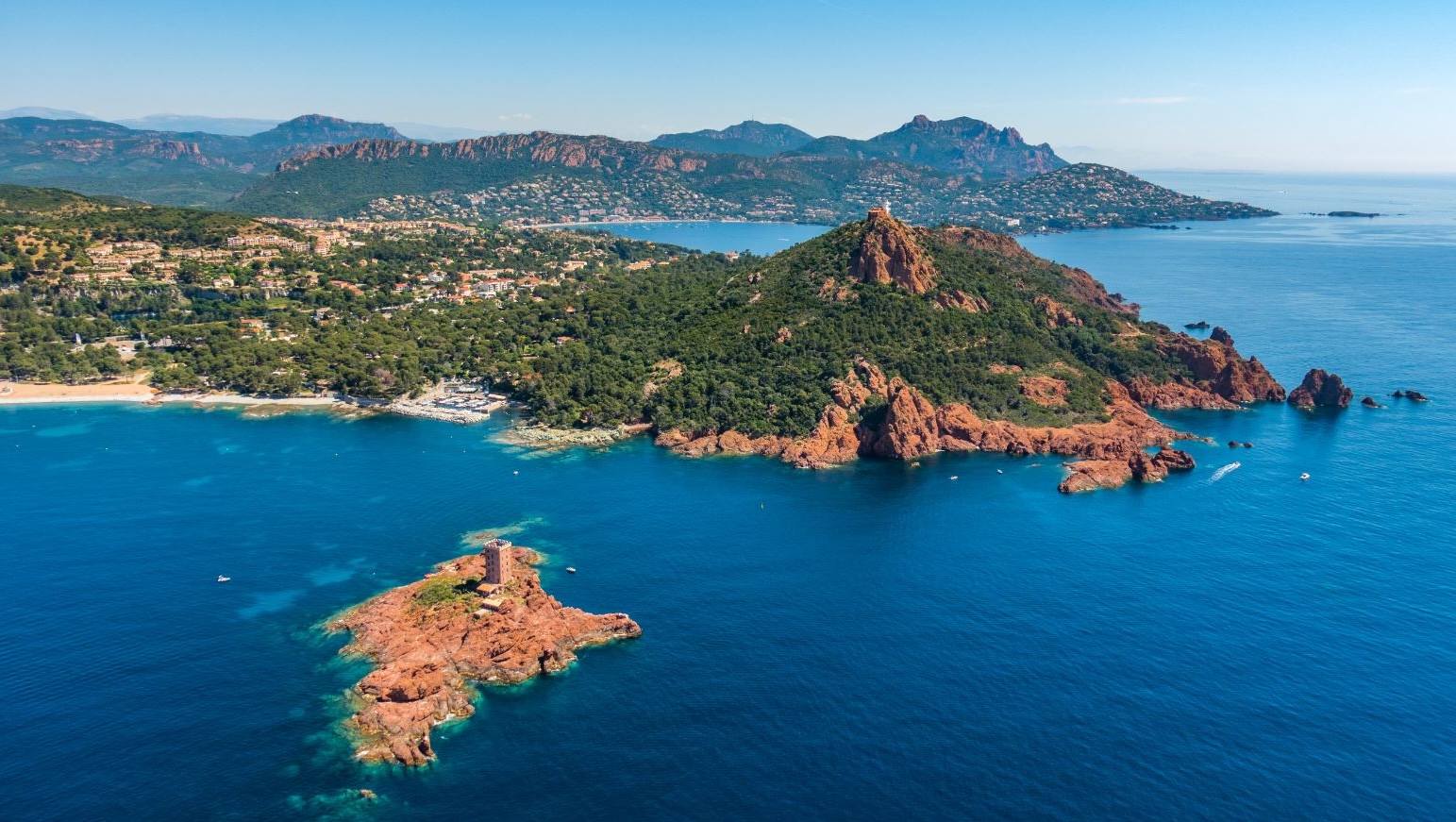
The coastal path rounds the headland in an hour and a half, between red porphyry and maritime pines, with the signal station at the top and the Île d'Or offshore. The beach below, Le Dramont, is where American troops landed on 15 August 1944.

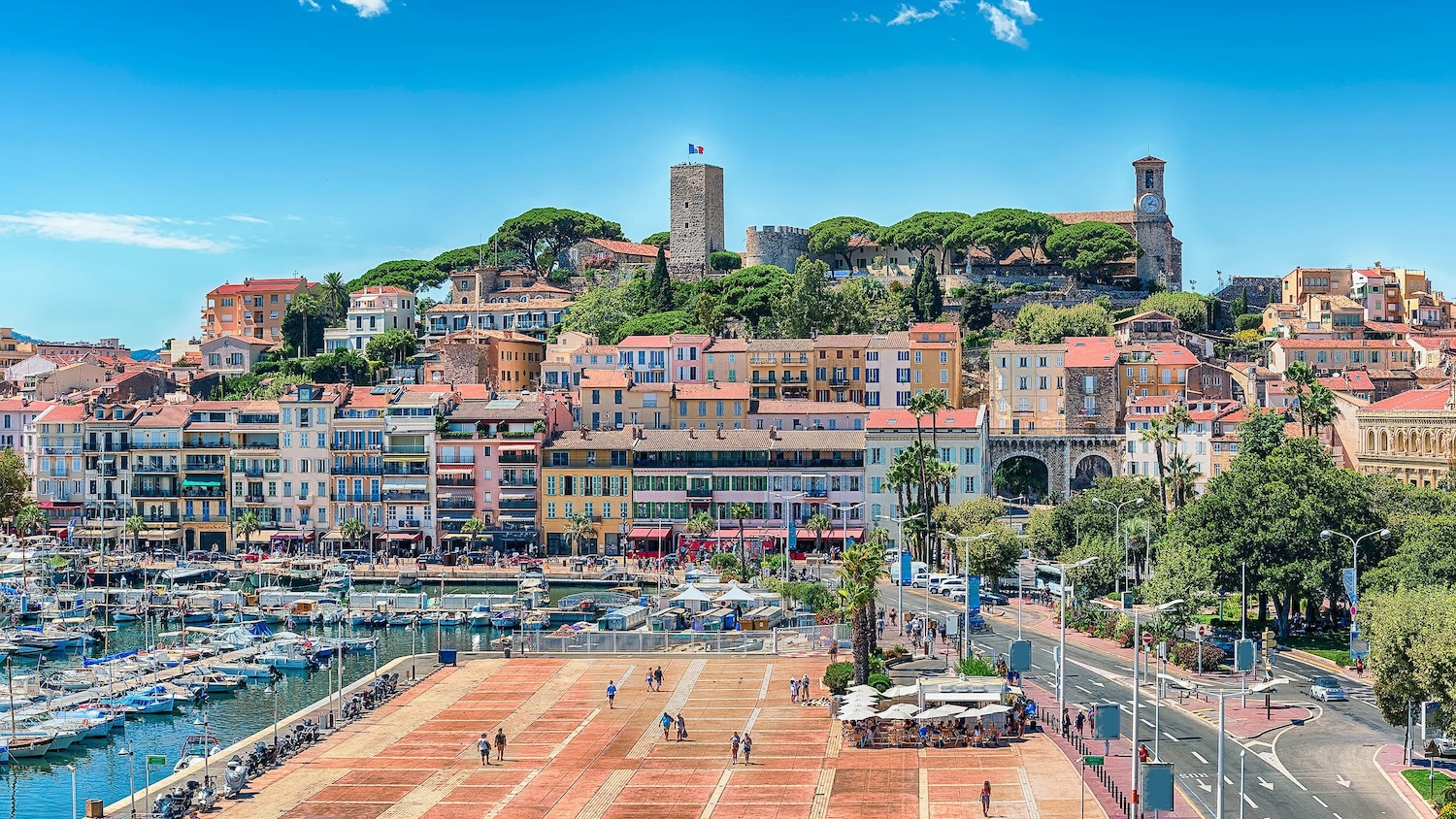
The Croisette and the Palais des Festivals draw the crowds, but old Cannes around Le Suquet and the Forville market are more interesting. From the old port, a fifteen-minute boat ride takes you to the Lérins islands and their coves.

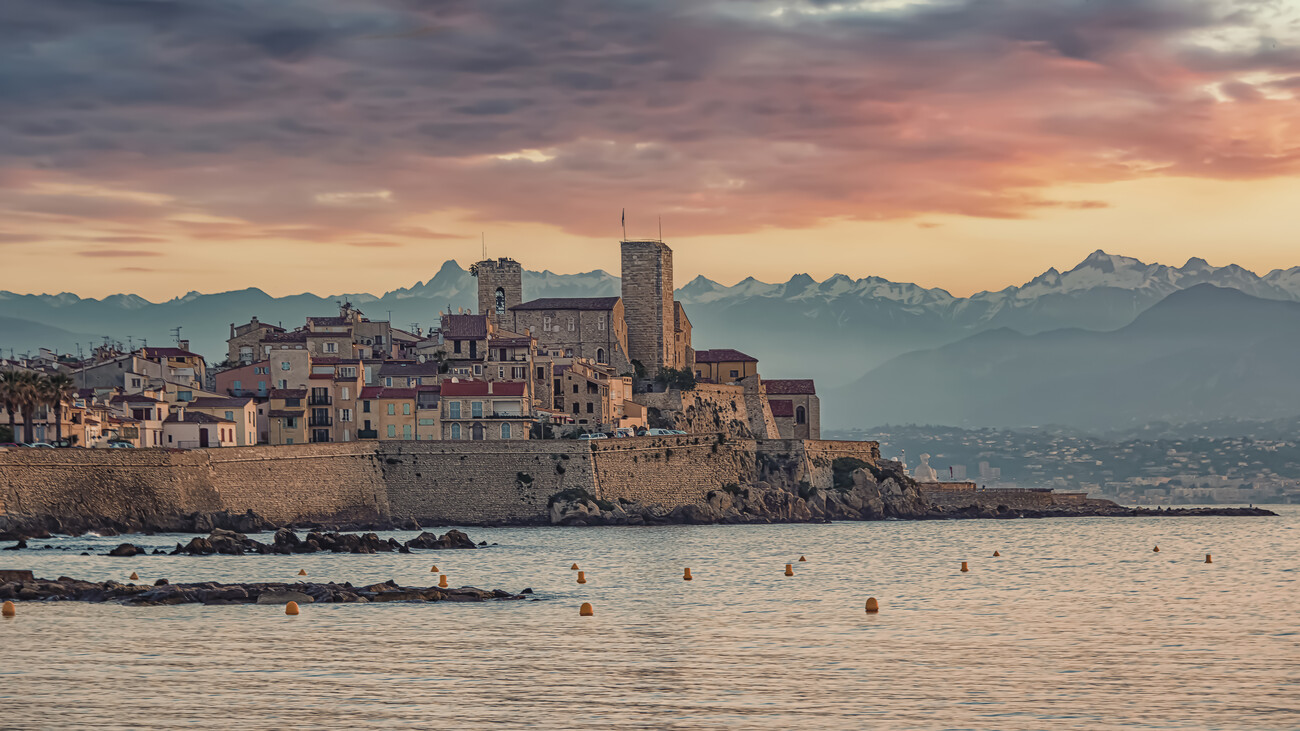
The Picasso museum occupies the Château Grimaldi, where the painter worked in 1946, and the Provençal market on the Cours Masséna is held every morning in season. The coastal path rounds the Cap d'Antibes in two hours.

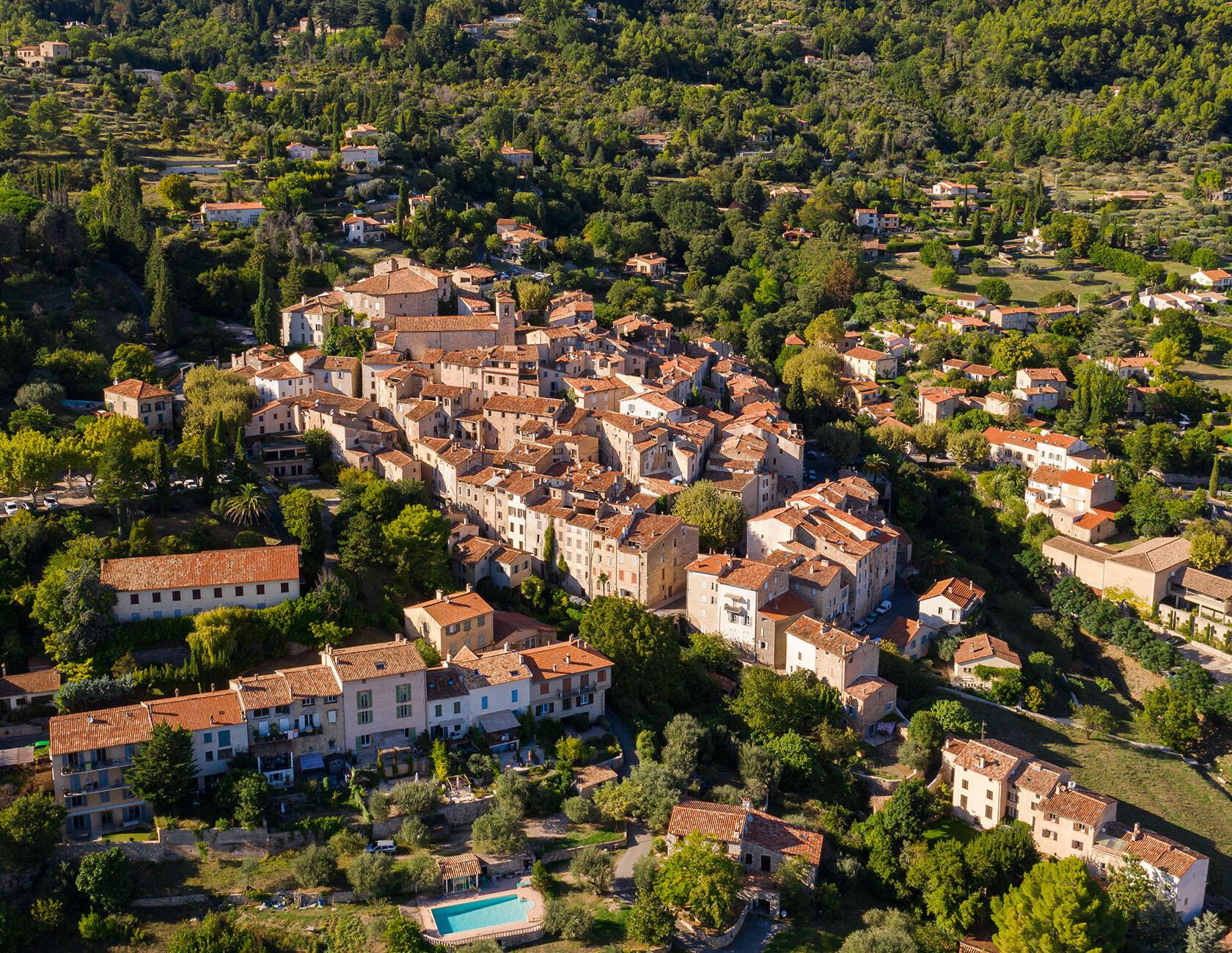
A string of villages perched above the plain, among them Seillans, listed as one of the most beautiful villages in France, and Mons for the view. Fayence is also home to one of Europe's largest gliding centres, where you can take a first flight.

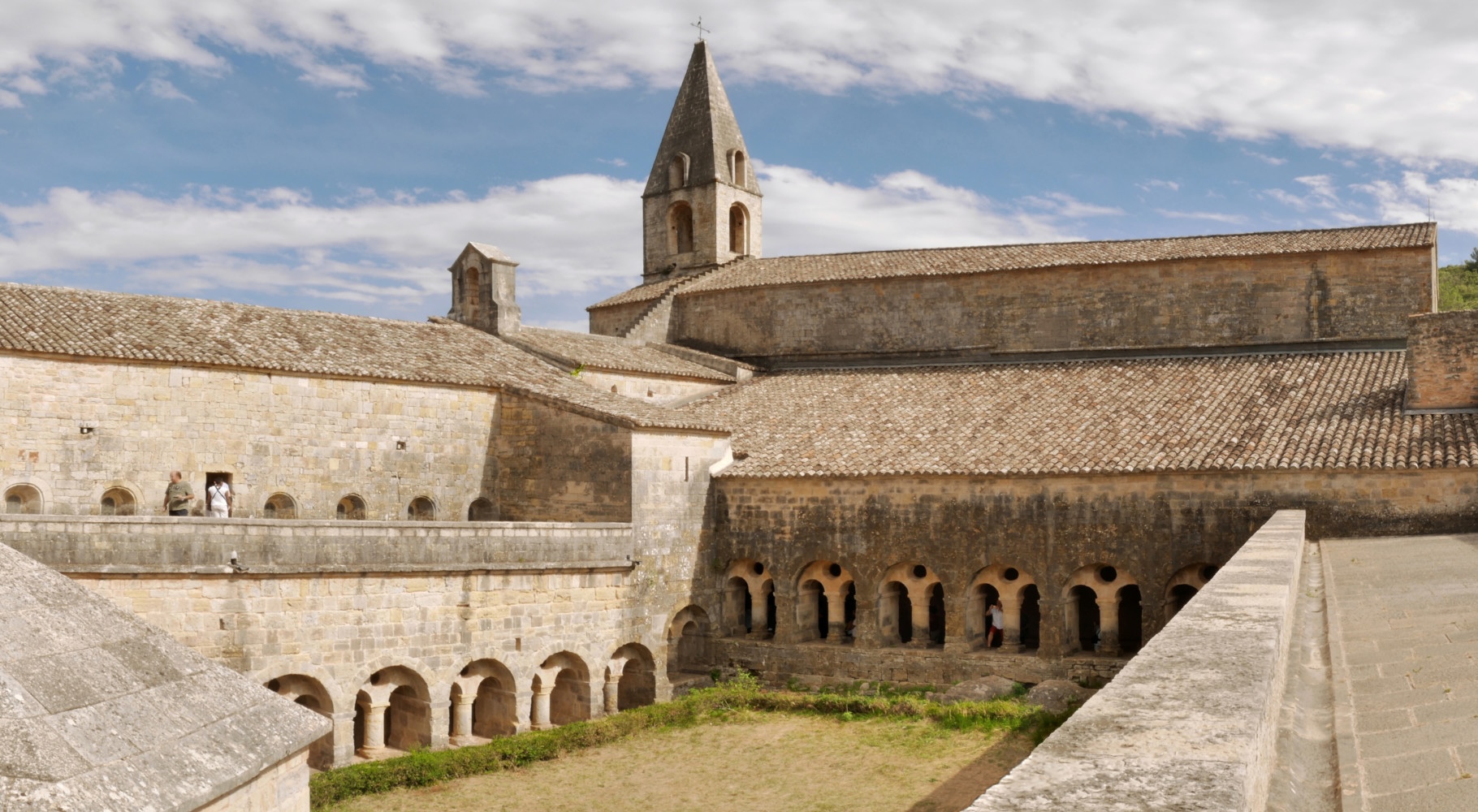
A twelfth-century Cistercian abbey, stripped back to the bone, one of the three Provençal sisters along with Sénanque and Silvacane. Its acoustics are such that Gregorian chant concerts are held here regularly.

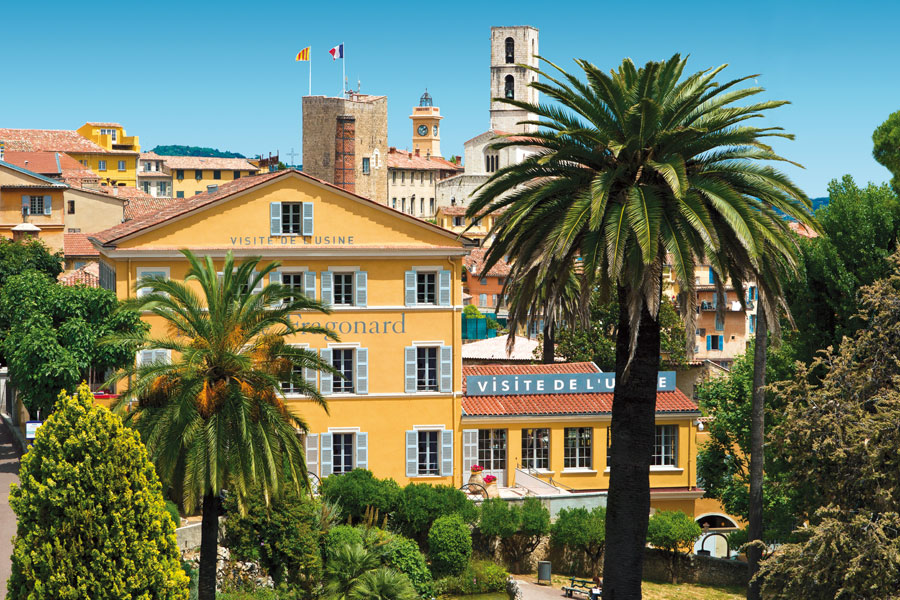
The capital of perfume since the eighteenth century. The historic Fragonard factory can be visited with a guide, and the International Perfume Museum rounds off the day if you stay for lunch in the old town.

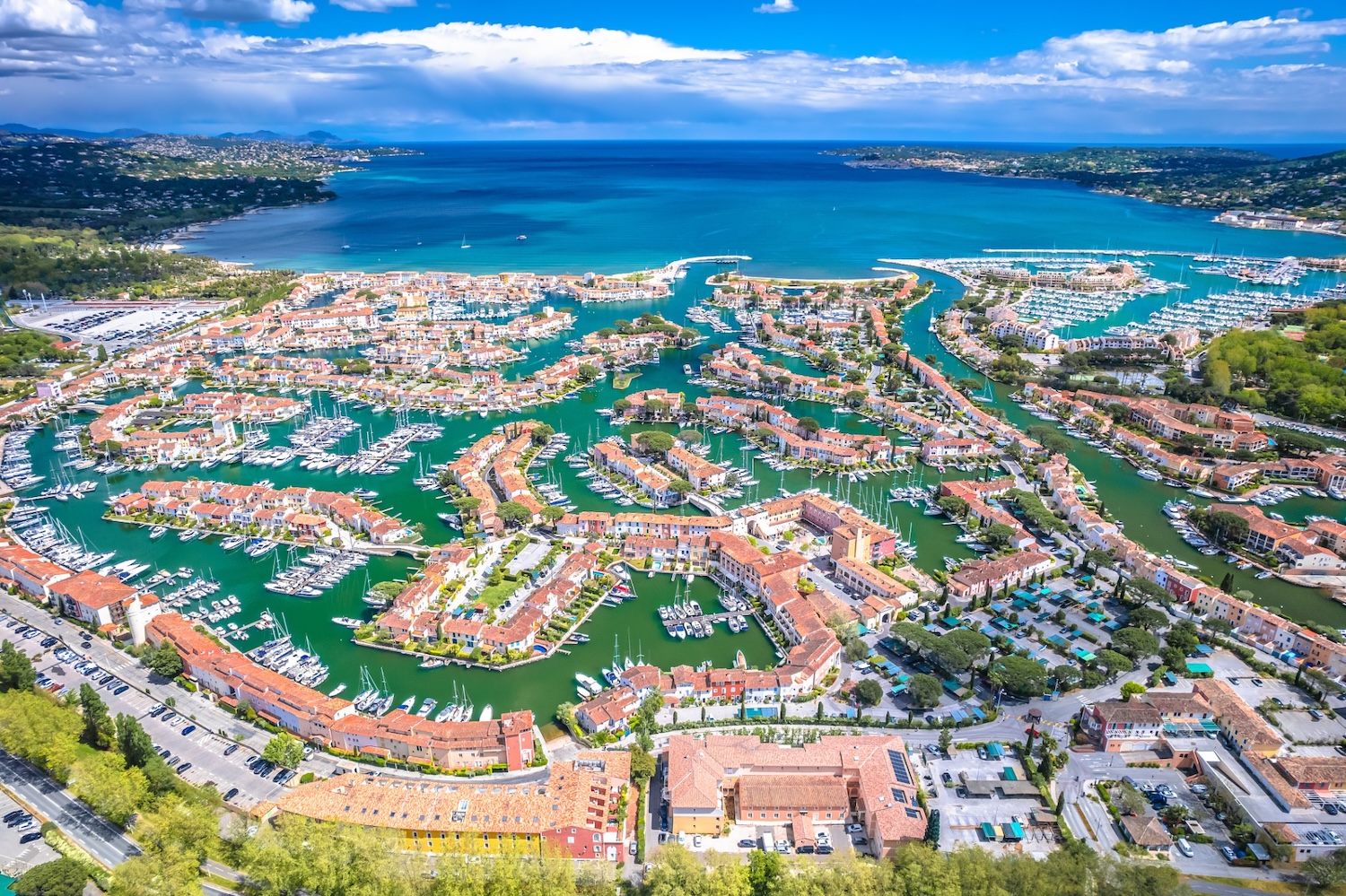
The lakeside town conceived by the architect François Spoerry from 1966, with its canals and brightly painted fishermen's houses, each with its own mooring. Explore on foot or by water taxi, and combine it with the medieval village just above.

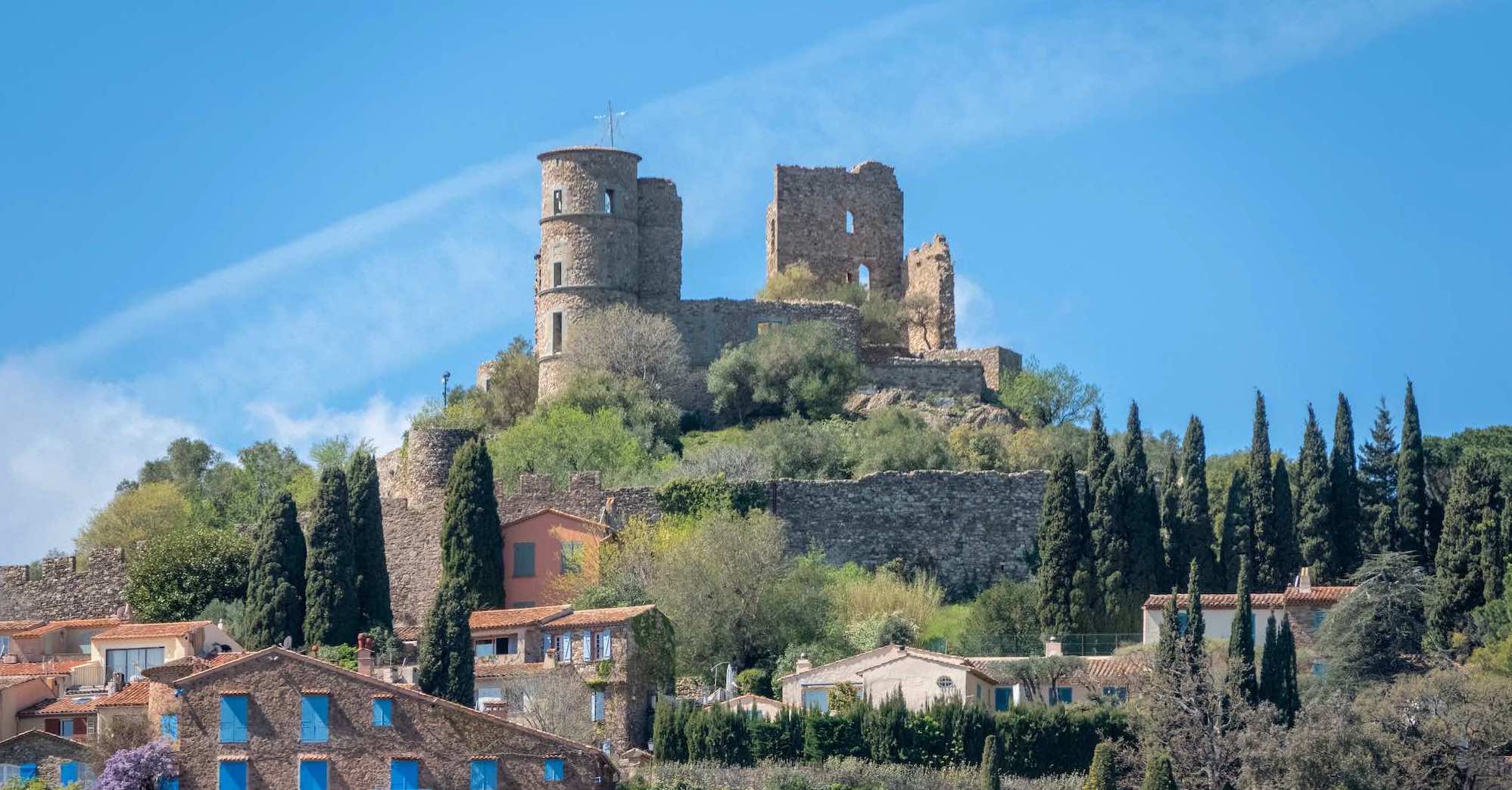
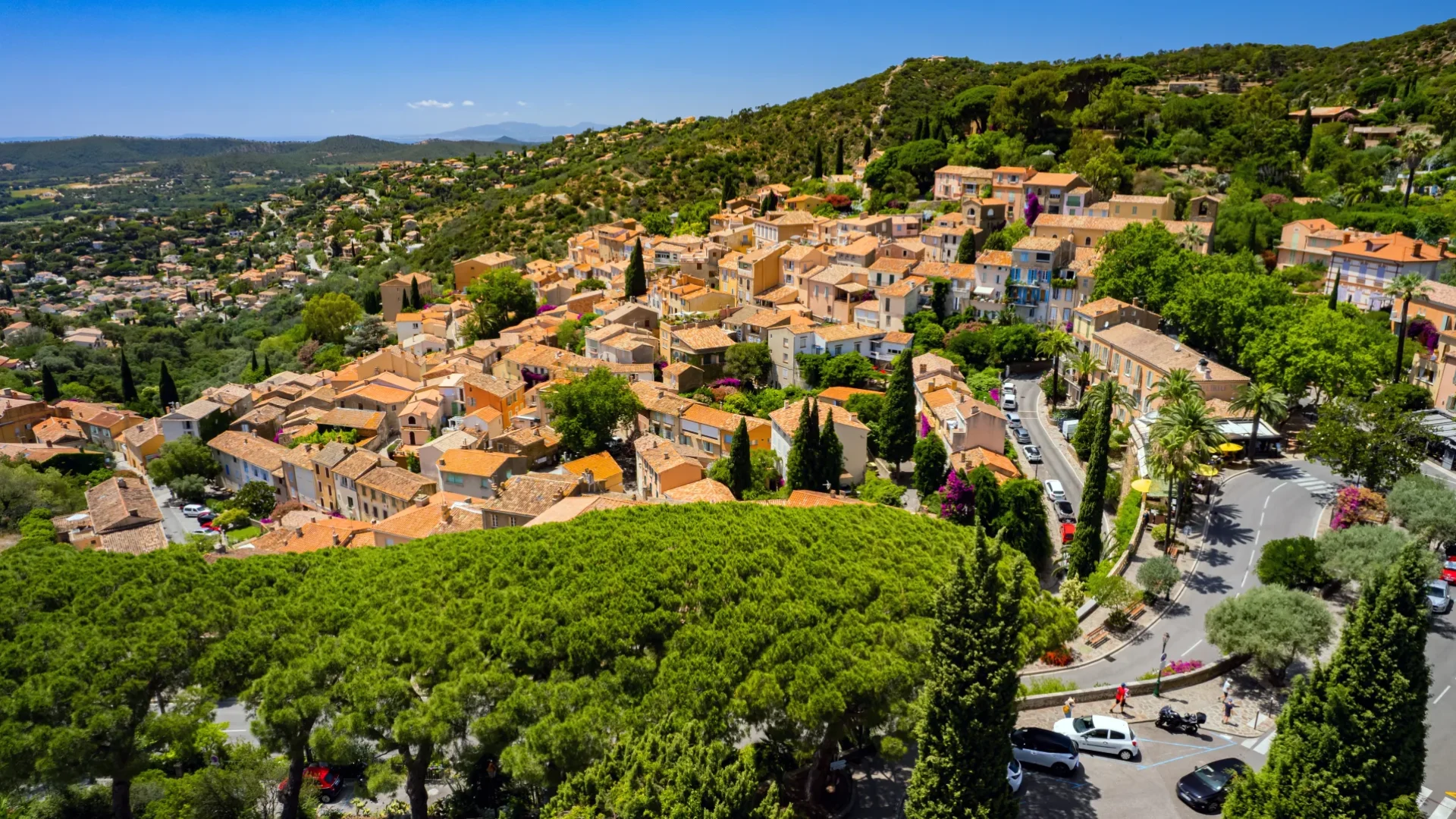
A village perched beneath its ruined castle, looking out over the whole gulf of Saint-Tropez. Far less busy than neighbouring Port-Grimaud, and at its best late in the day.

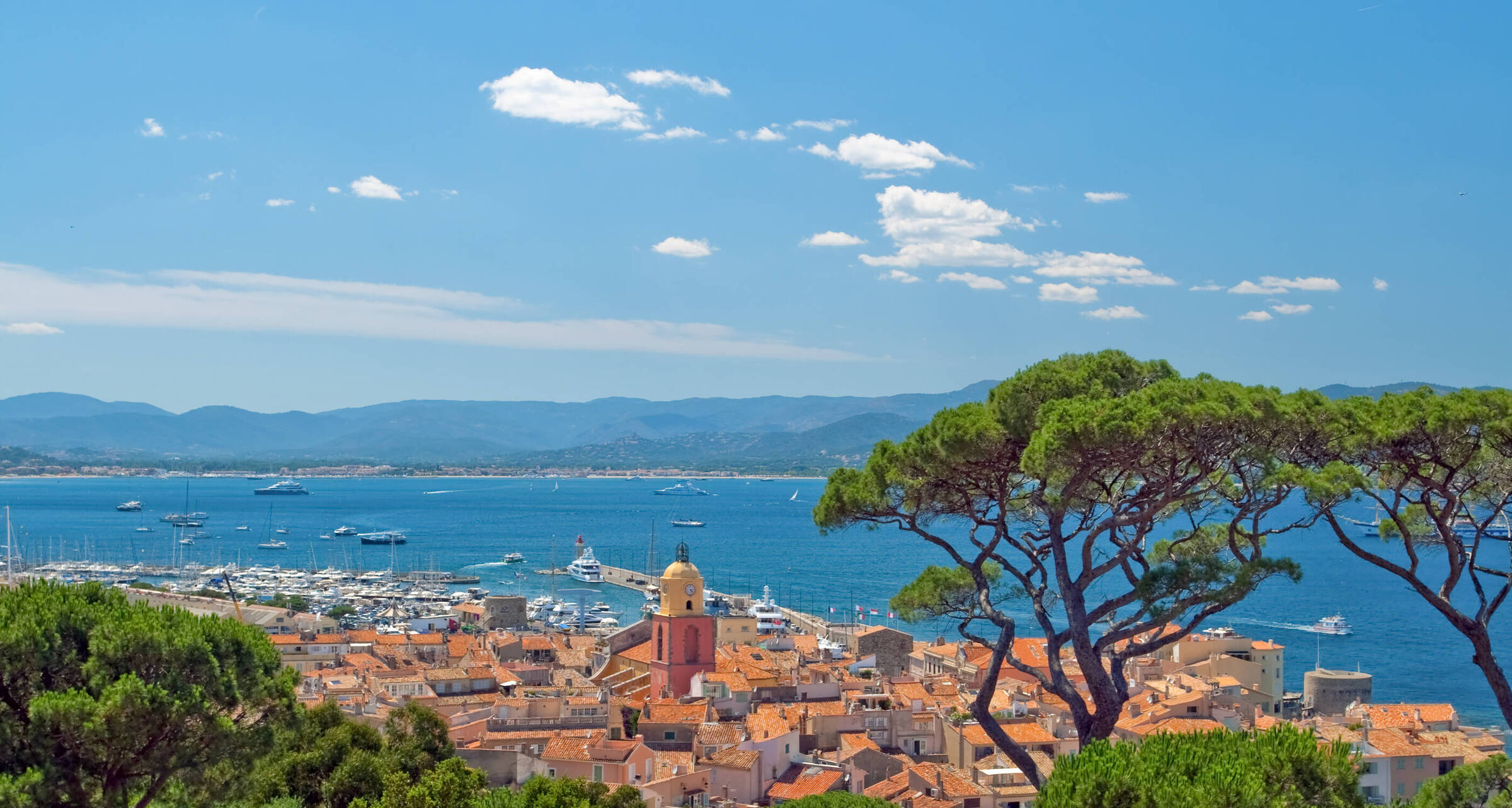
The harbour, the Place des Lices and its Tuesday and Saturday morning market, and the Musée de l'Annonciade for the painters who invented the place. In July and August the traffic makes the journey unpredictable: set off early.
An hour or more, so plan to leave in the morning.

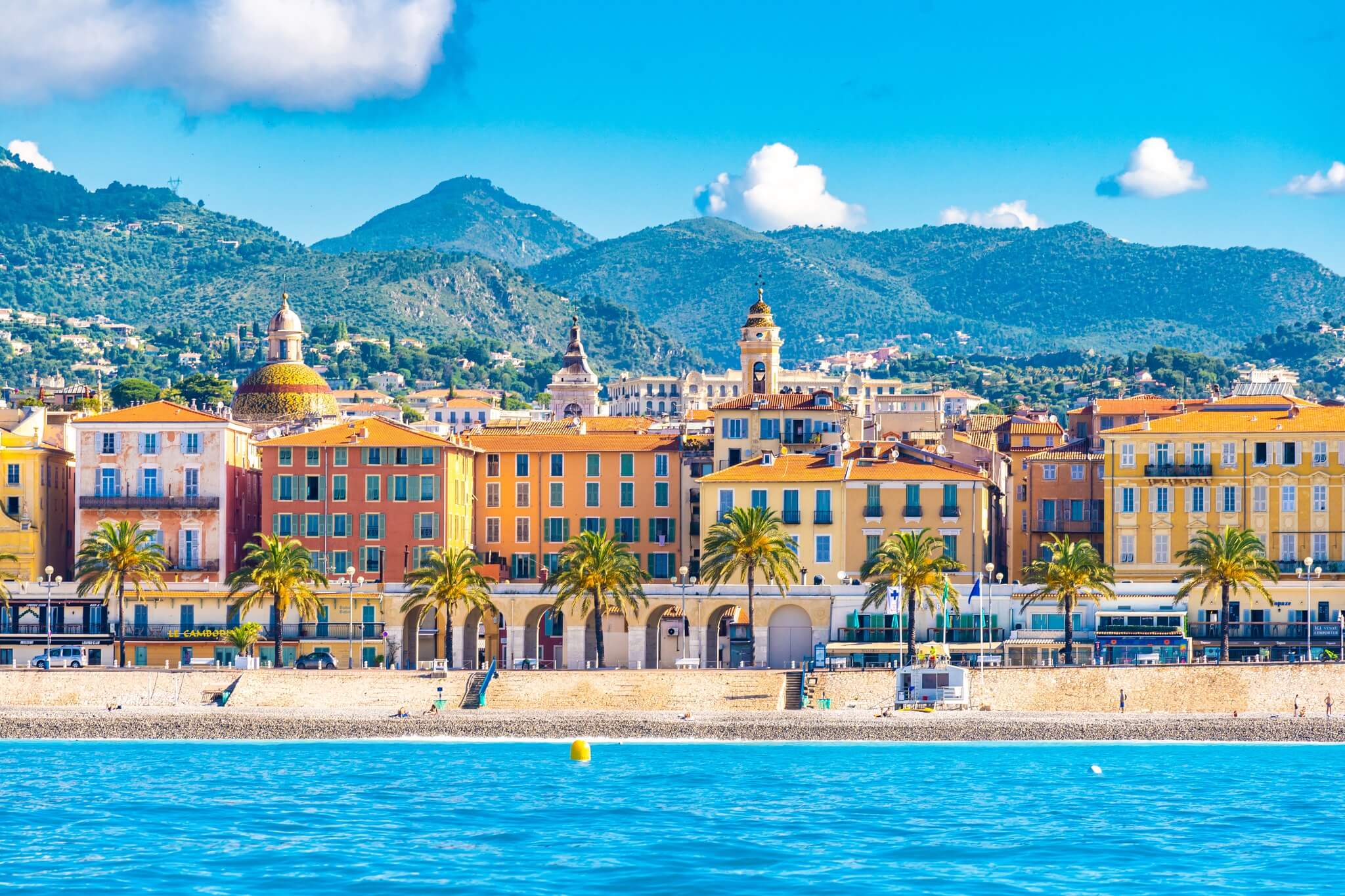
The Cours Saleya and its markets, the lanes of old Nice, and the climb up Castle Hill for the view over the Baie des Anges. The Matisse and Chagall museums alone justify the day.

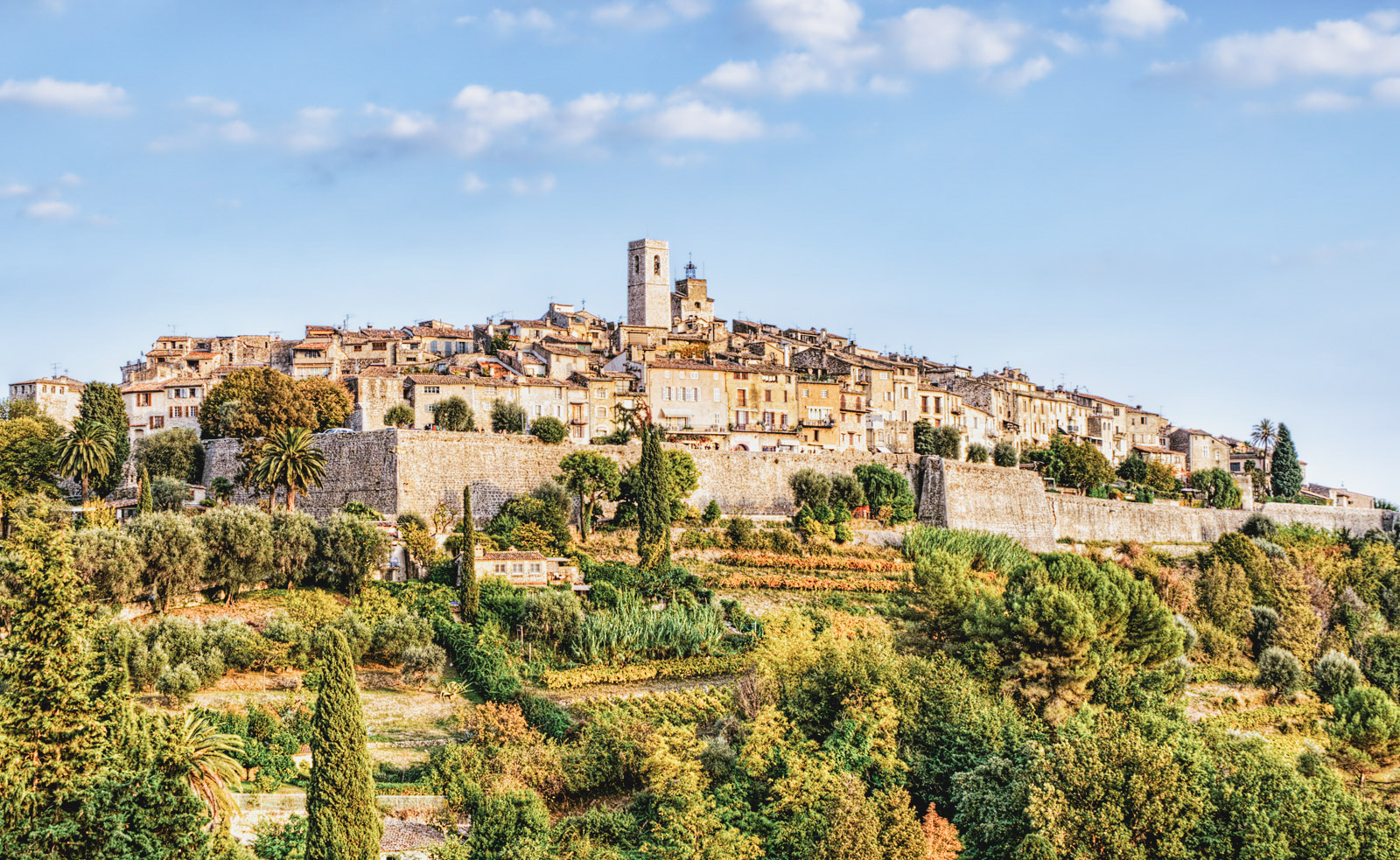
The fortified village, its ramparts and its galleries, and just above it one of the finest collections of modern art in Europe, opened in 1964. The Giacometti courtyard and the Miró labyrinth are outdoors.

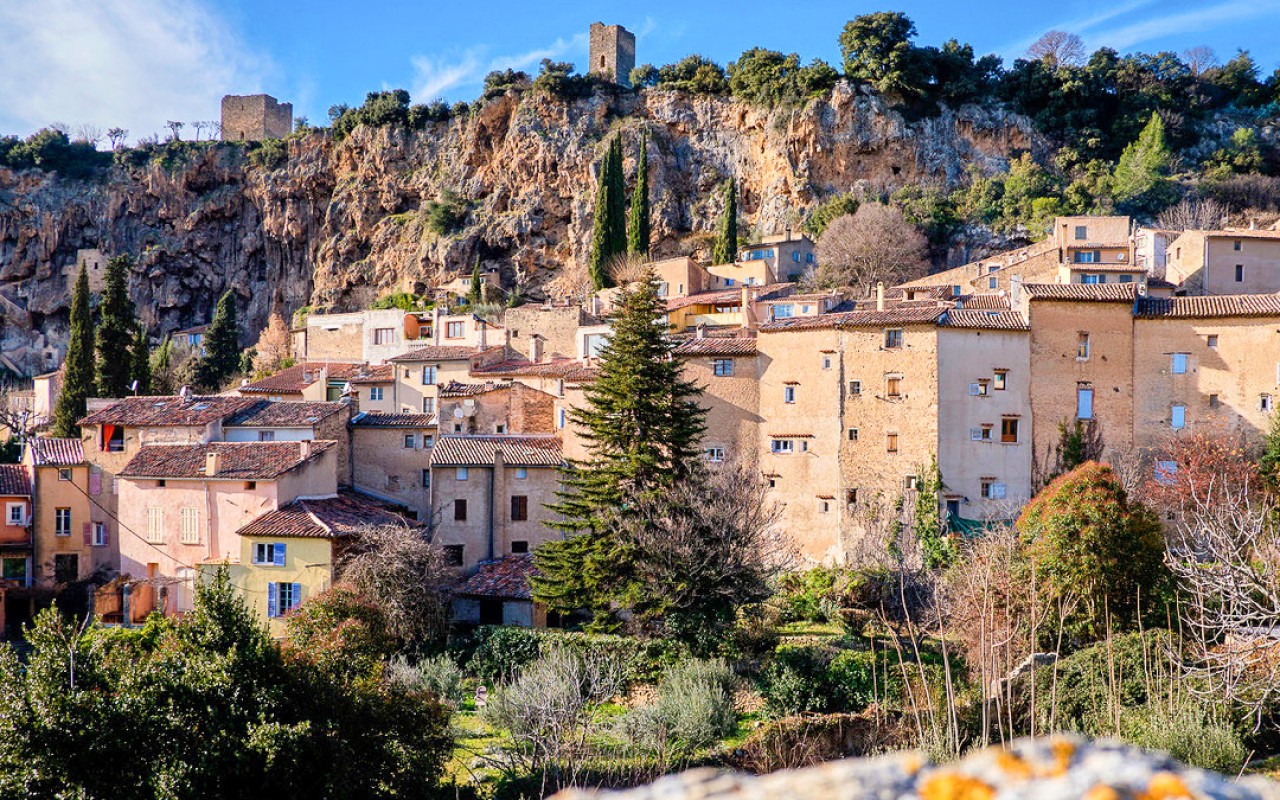
A village set against an eighty-metre cliff of tufa, riddled with cave dwellings and crowned by two towers. There's a morning market under the plane trees, and several vineyards round about.

A village in bloom, tumbling in terraces towards the sea, with its ruined castle and its arcaded lanes. Spectacular in February, when the mimosa flowers and the flower parade takes place.

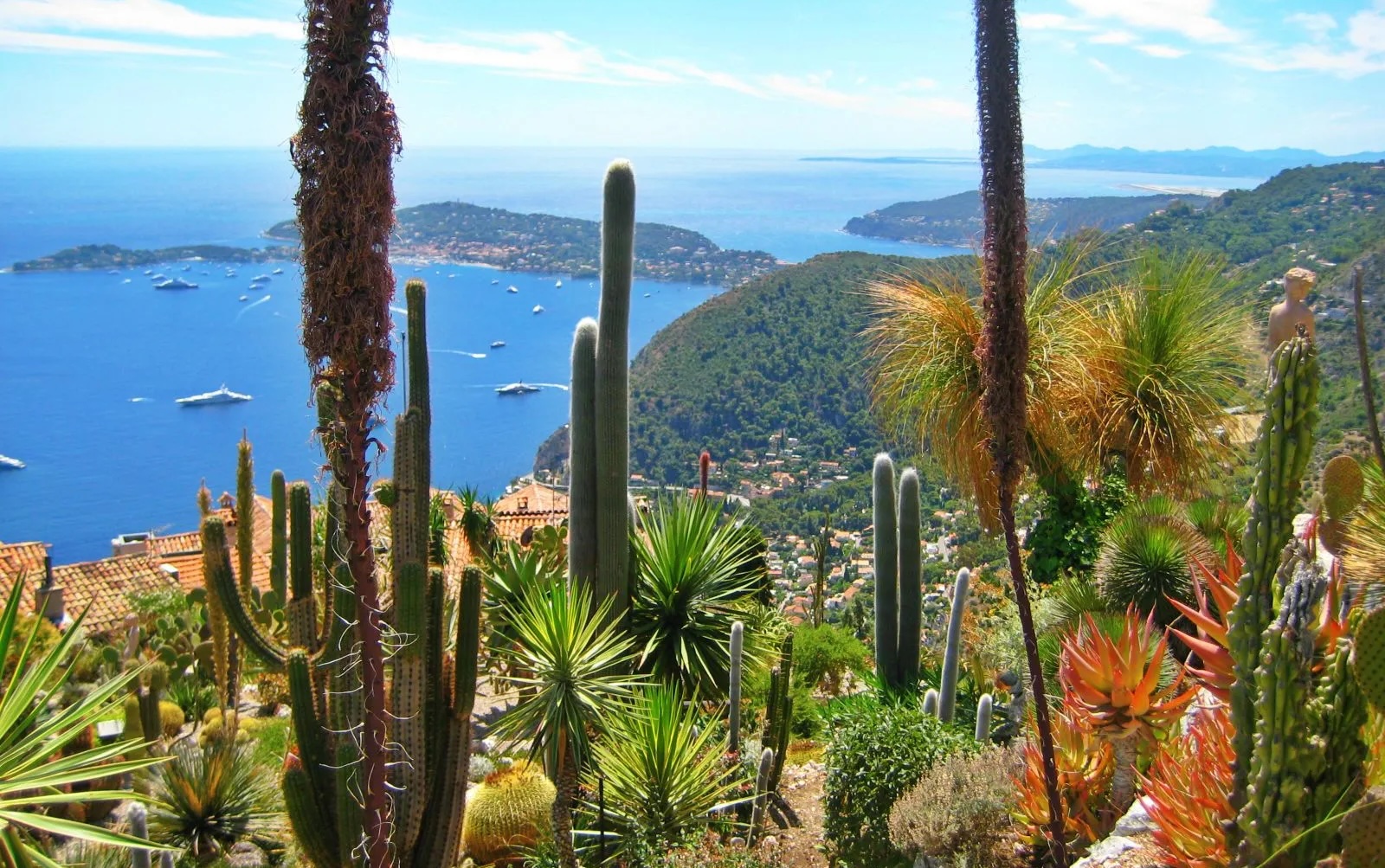
A village clinging more than four hundred metres above the sea, where the only way around is on foot. The exotic garden, planted with cacti on the castle ruins, offers one of the finest panoramas on the coast.

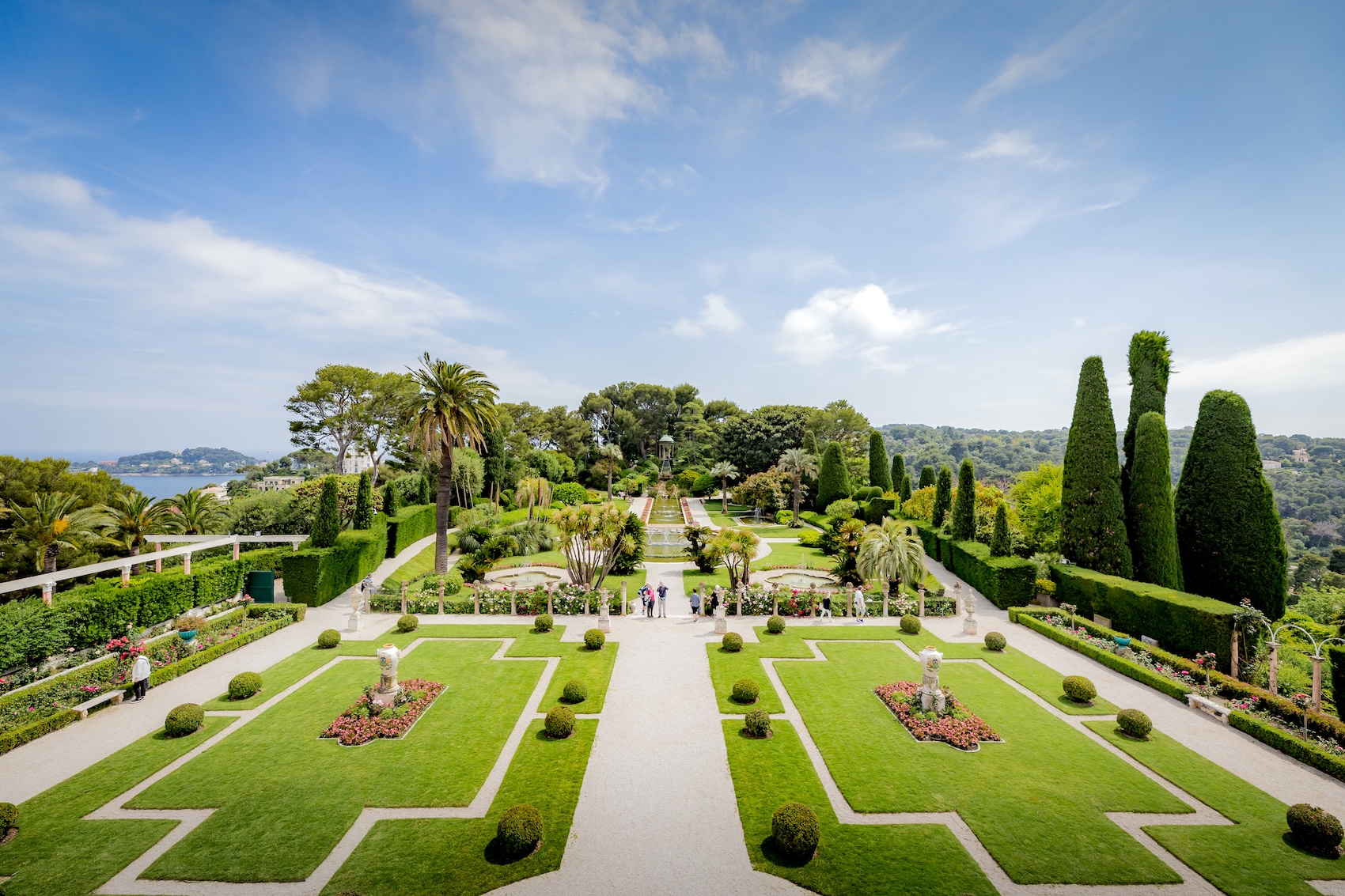
Built between 1905 and 1912 by Béatrice de Rothschild, a pink Italianate villa set on the narrowest part of Cap-Ferrat, between two bays. Its nine themed gardens and musical fountains take up much of the visit.

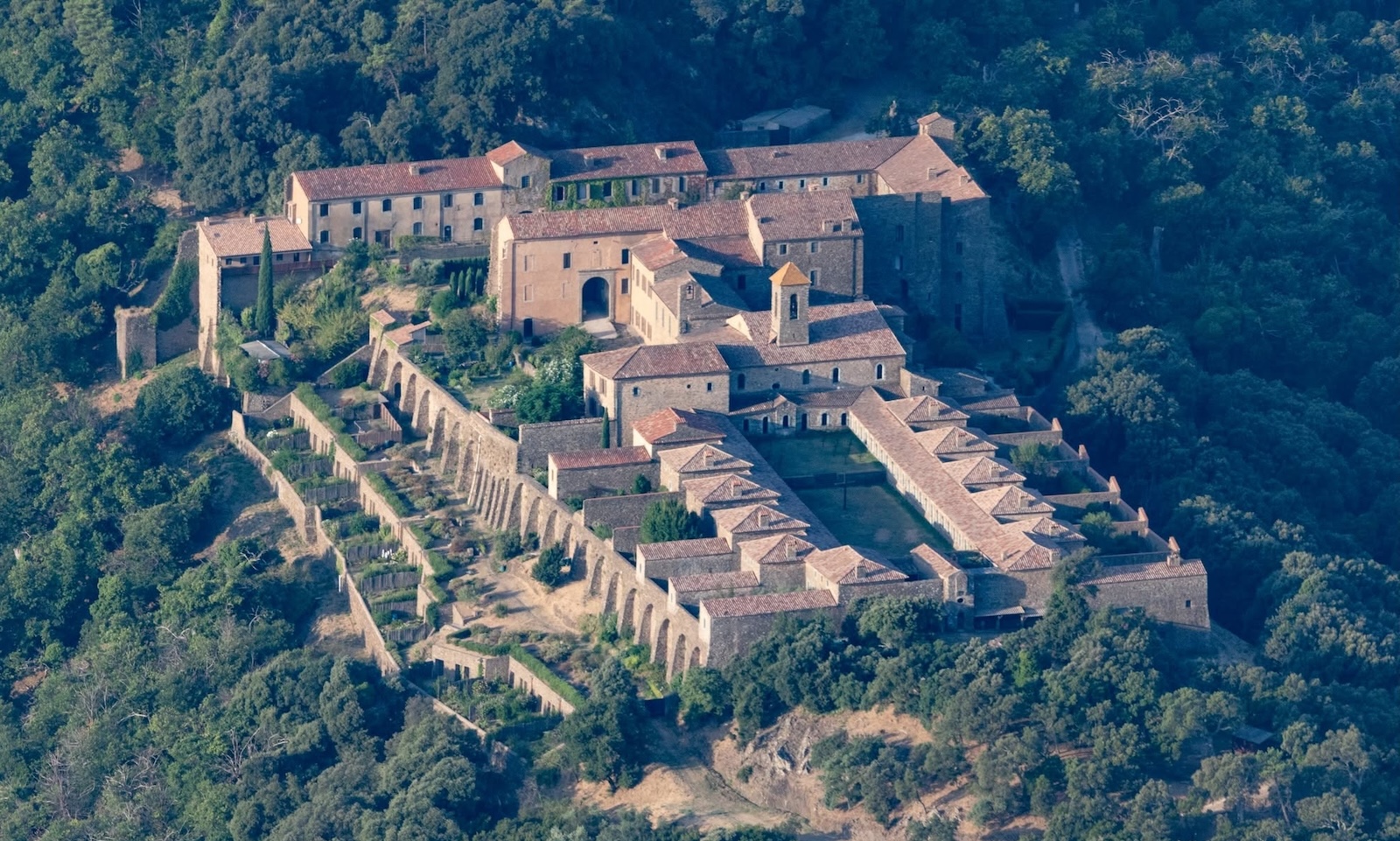
A charterhouse founded in the twelfth century, standing alone in the heart of the Maures hills, built of dark schist and green serpentine. Opening days are limited and the site closes when there's a fire risk: check before setting off.

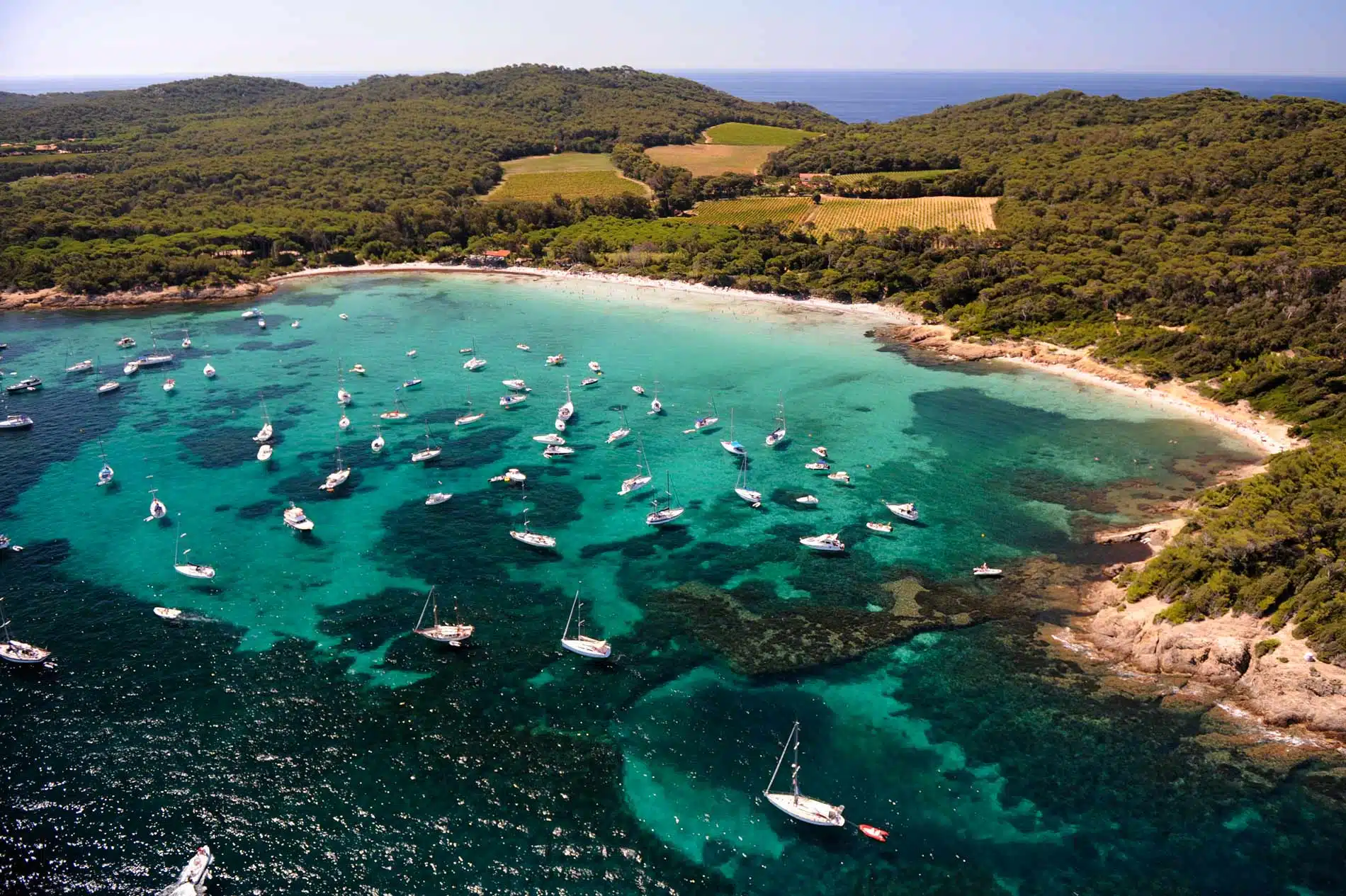
The island is best explored by bicycle, between the sandy beaches to the north and the cliffs to the south, all within the national park. Allow an hour and a quarter's drive to the jetty at La Tour Fondue, then a twenty-minute crossing: book the boat in summer.

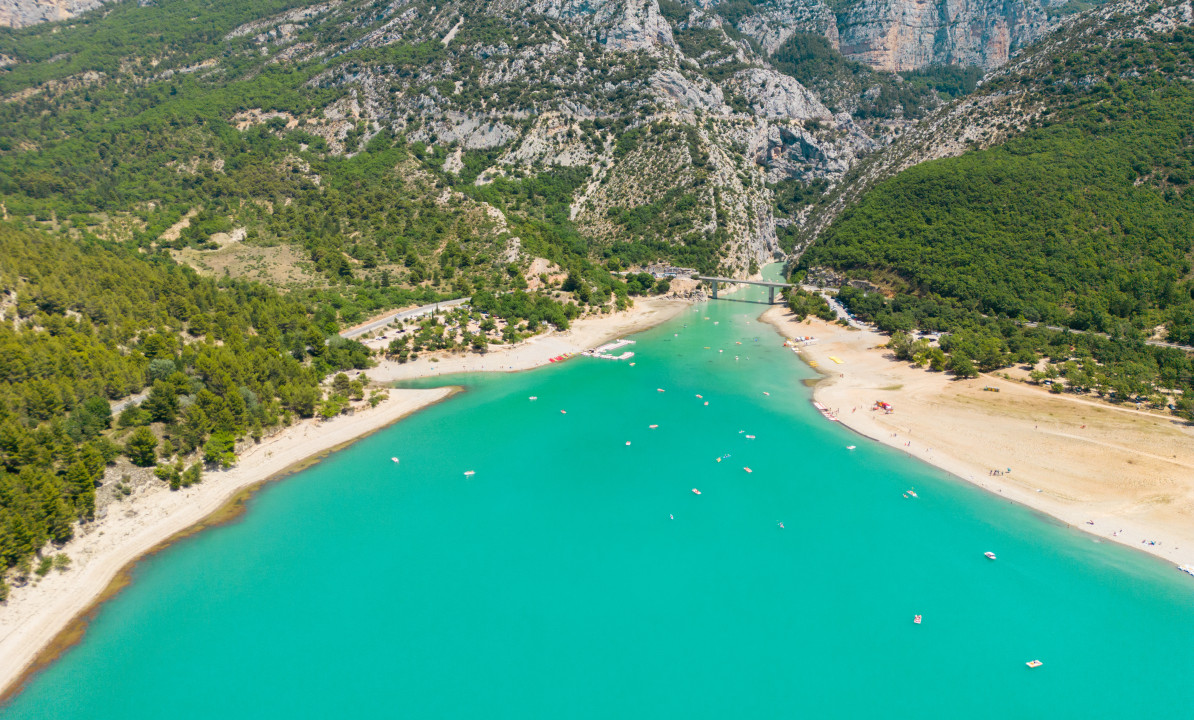
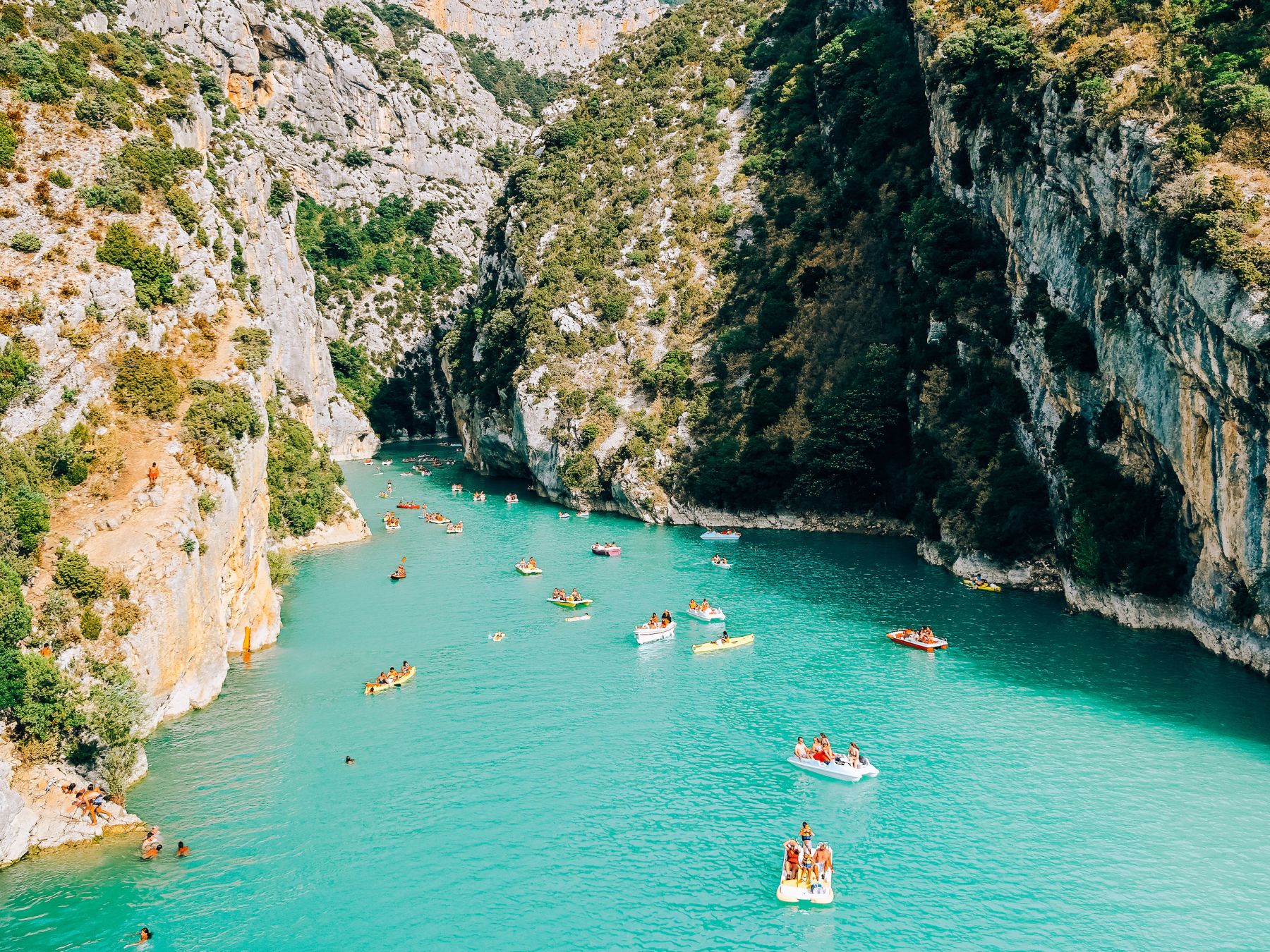
Turquoise water where the Verdon gorges open out, with pedal boats and electric boats for hire to head up the river between the cliffs. The beaches at Bauduen and Les Salles-sur-Verdon are the easiest to reach.

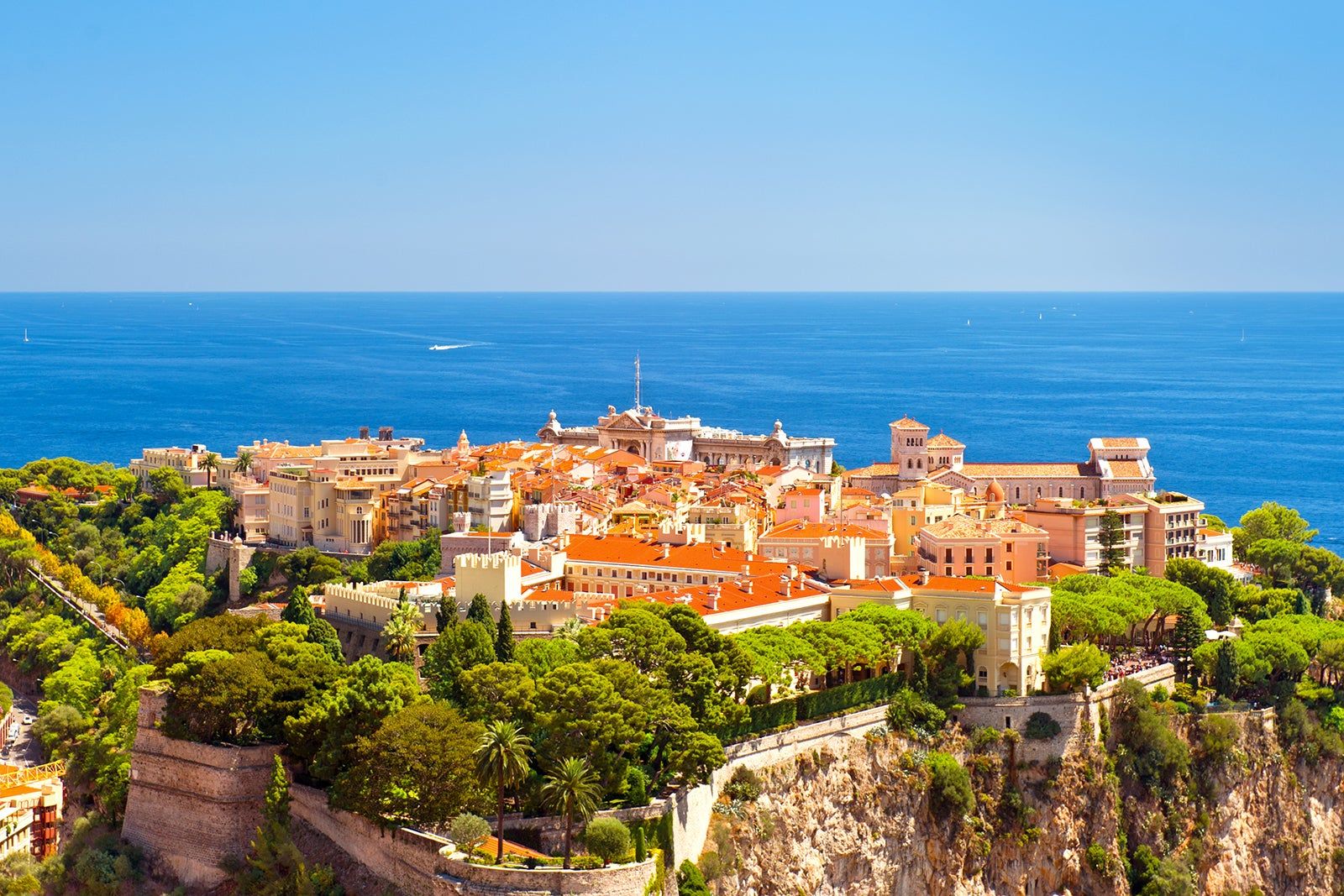
The Rock, the prince's palace, the oceanographic museum and Monte-Carlo can all be done on foot in a day. Avoid the Grand Prix weekend at the end of May, when the principality is completely gridlocked.

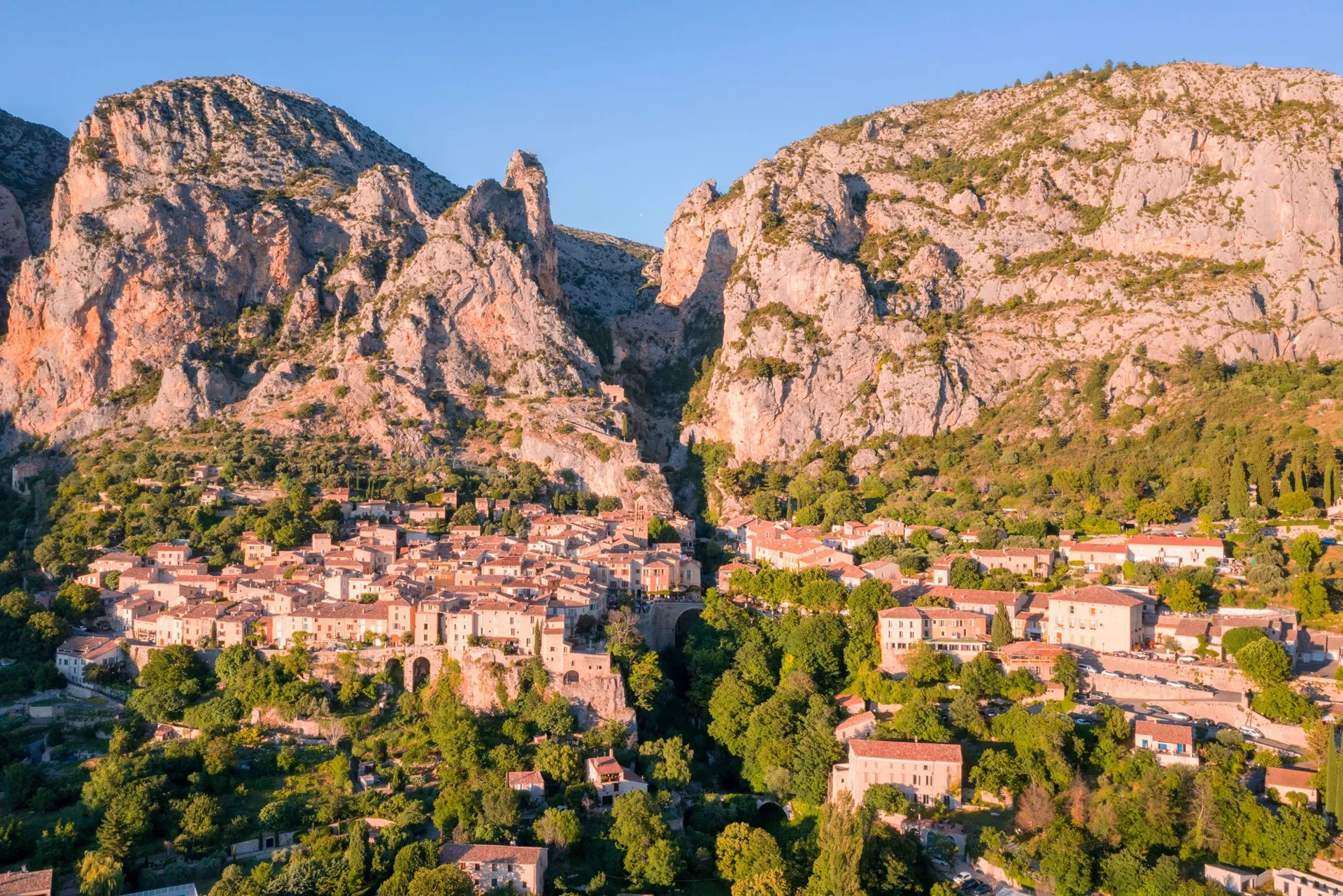
The village is wedged between two cliffs, with its star suspended over the void and its faience workshops. The chapel of Notre-Dame-de-Beauvoir is reached by a zigzag path, for the view over the rooftops and the mouth of the gorges.

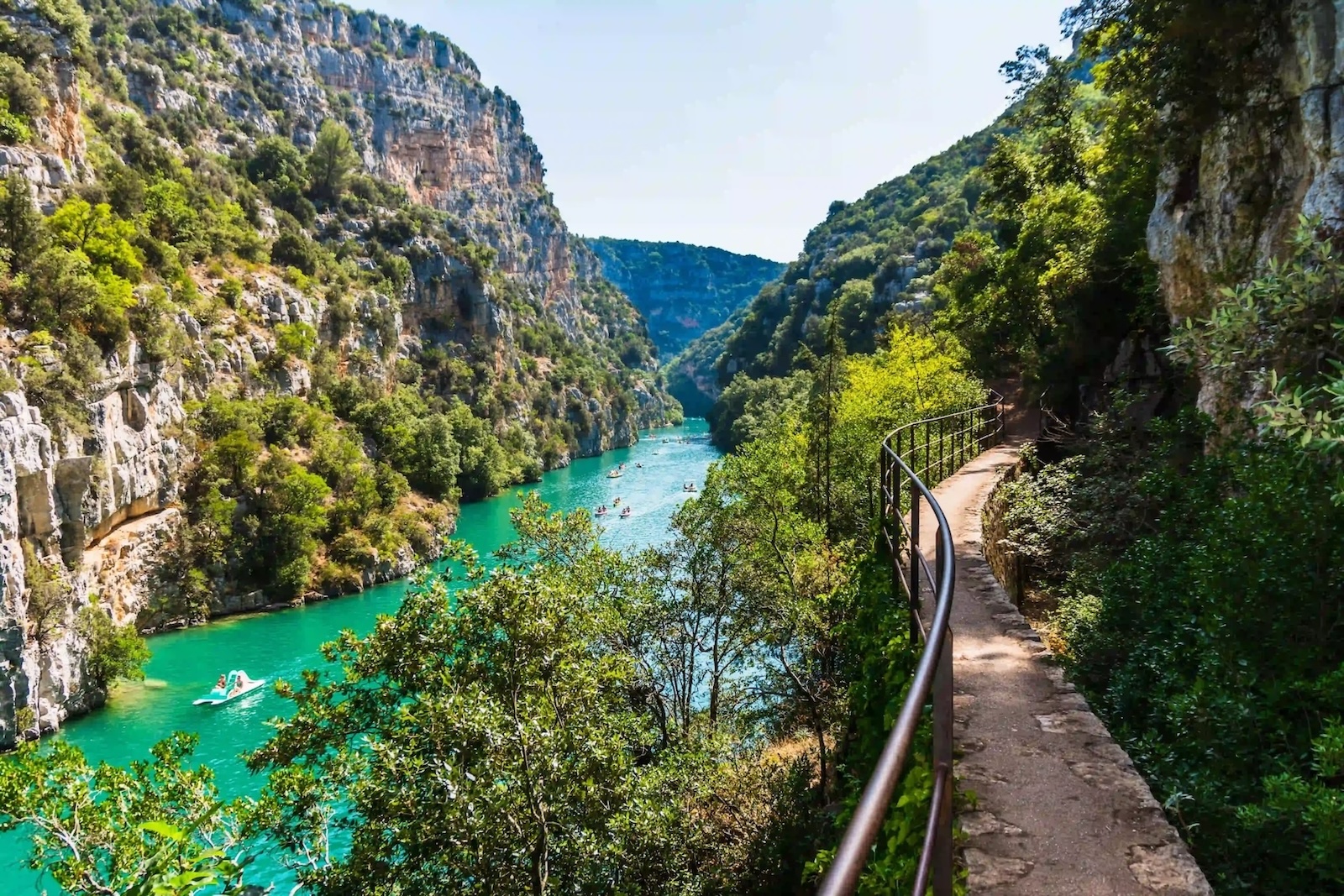
Between Quinson and Esparron, the Verdon narrows into gorges more intimate than the great canyon, which you can travel up by electric boat or canoe. The prehistory museum at Quinson takes over on rainy days.

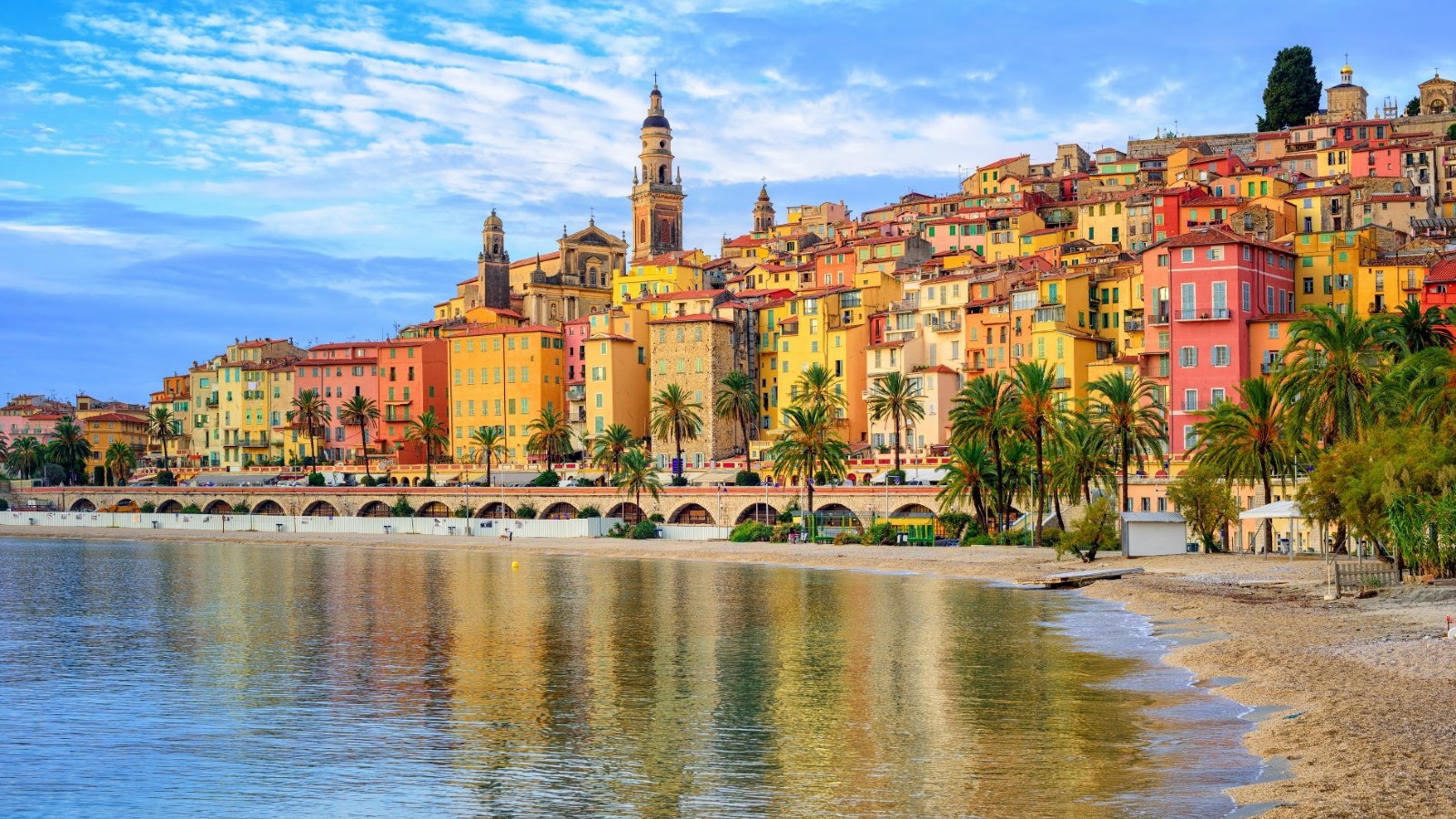
The last town before Italy, known for its lemons and its botanical gardens, among them the Serre de la Madone and the Val Rahmeh. The old town, in shades of ochre, climbs to the Vieux-Château cemetery and its view over the bay.

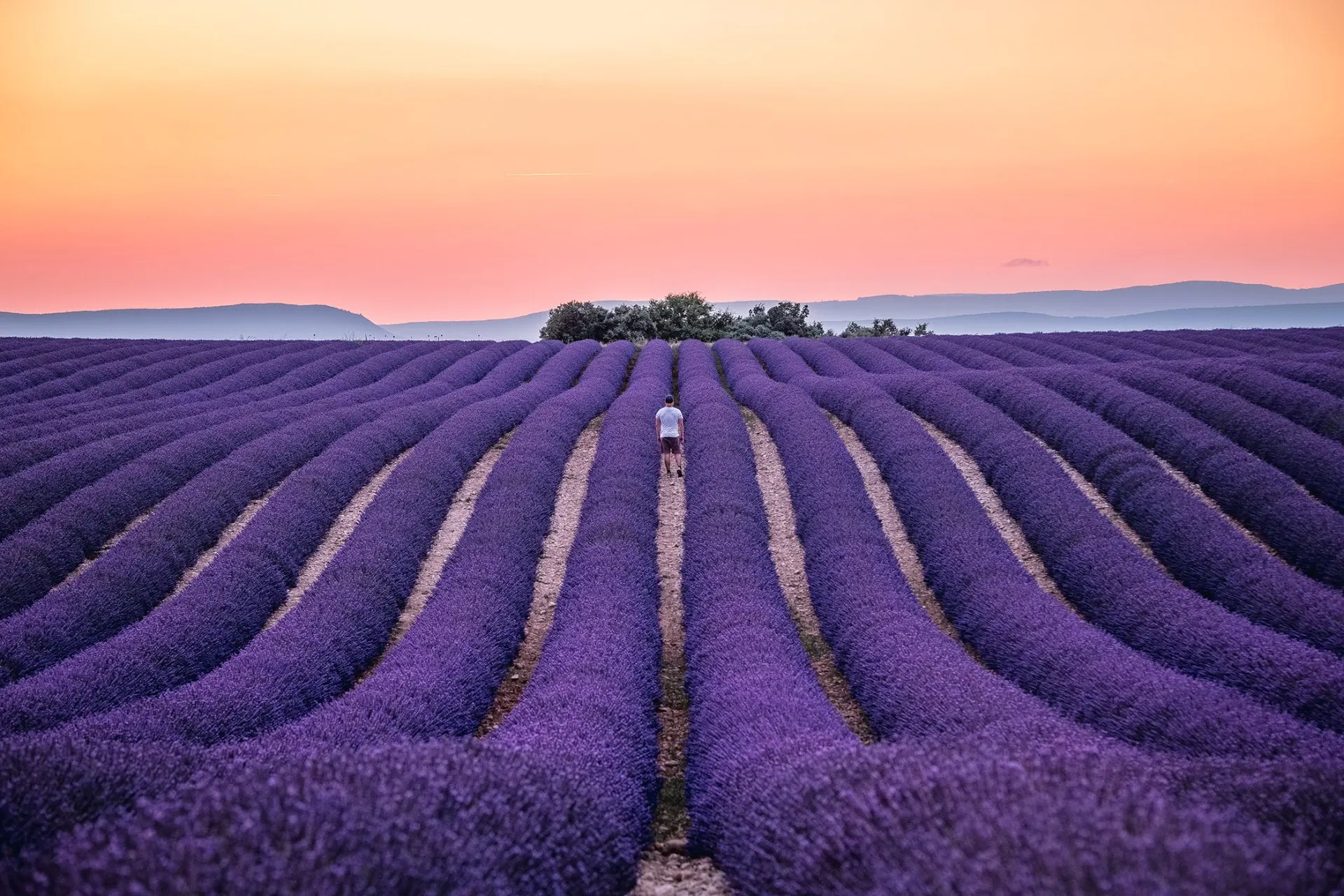
Lavender fields as far as the eye can see, in flower from mid-June to mid-July and cut soon after. This is the one place on this page that depends entirely on the calendar: outside the flowering season, the plateau is bare.

The largest canyon in Europe, up to seven hundred metres deep. The Route des Crêtes, starting from La Palud-sur-Verdon, links viewpoint after viewpoint in a loop, and the Blanc-Martel path descends to the bottom for properly equipped walkers: six hours on foot, with a shuttle bus back.
Driving times are approximate, measured from 2 Domaine de Vaucouleurs, 83480 Puget-sur-Argens.